

A ganja strain name can sell more than a product. It can suggest flavour, exclusivity, a
place or a lifestyle. For dispensaries, naming is part of the creative work of building a
brand. For consumers, it can become shorthand for what they expect to experience.
As retailers—regulated and otherwise—use creative and unconventional names,
what do those names actually tell us? Can customers still identify what they are
really buying?
Jamaica’s Cannabis Licensing Authority (CLA) has brought that question into focus.
An October 13, 2026 advisory requires operators to notify the regulator and obtain
approval before introducing renamed strains. They must provide the original name,
supplier, quantity, proposed marketing name and inventory tag numbers.
The immediate objective is traceability. The wider conversation touches branding,
cultural identity and consumer trust.
In Jamaica, cannabis marketing enters cultural territory with deeper meanings than
retail aesthetics. Ganja’s sacramental significance within Rastafari deserves
recognition, while Rastafari’s relationship with roots reggae forms part of Jamaica’s
cultural history. Those connections should not be reduced to interchangeable selling
points on a package. (jis.gov.jm, jis.gov.jm)
That makes strain naming relevant to the creative industries: language, design,
packaging and storytelling can shape a product’s appeal. A house name may help a
dispensary express its identity. But does the story clarify the product—or make its
origins harder to understand?
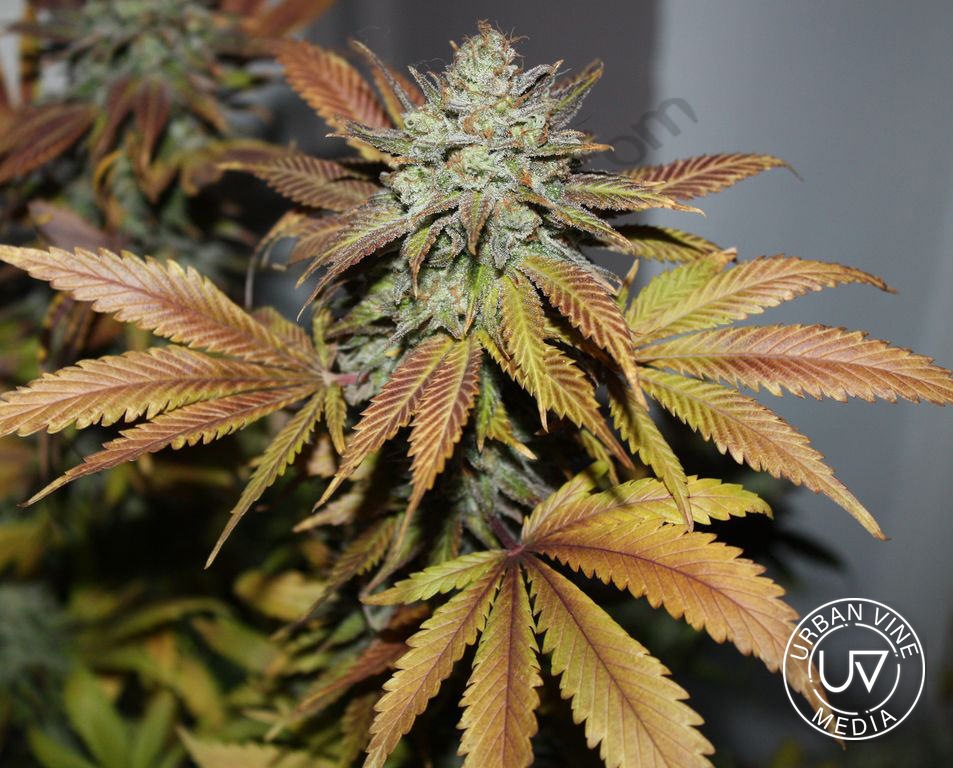
Changing a label does not create a new genetic variety. Research has also found that
strain names do not reliably establish genetic identity or ancestry. A memorable
name can therefore carry a stronger promise than the available evidence supports.
(journals.plos.org)
Does that mean consumers have been buying “fake strains”? Not necessarily.
Marketing-driven renaming is happening, but that does not automatically signal
deception. Clearly disclosed branding is different from an unsupported claim of
exclusive genetics. The practical problem emerges when customers cannot tell what
they are being offered—or recognise the same cannabis under another dispensary’s
name.
The Ganja Consulate 2026 Recent import reports add another layer. On October 11, The Sunday Gleaner
reported Customs concerns about illegal Californian cannabis entering Jamaica.
Customs recorded 53 marijuana import seizures between January and August and
described recent Californian seizures, including one involving 50 pounds.
(web4.jamaica-gleaner.com)
Neither the report nor the advisory establishes that these shipments reached
licensed dispensaries. The CLA does not identify imports as the directive’s trigger.
Still, the reports invite a cultural question: what appeal does an imported cannabis
identity hold in a country with its own ganja traditions? Novelty, perceived potency,
flavour, prestige and price are possible influences. The evidence does not establish
which motivates buyers, or whether “Cali” appeal reflects wider Jamaican
preferences.
Whatever the public debate around foreign ganja, the reported seizures show
repeated attempts to supply imported cannabis to Jamaica. They do not measure
consumer demand, but they make the appeal of “Cali” worth examining. For
Jamaica’s cannabis businesses and the creatives shaping their brands, the question
is what that identity promises—and how locally grown products compete for
attention.
Origin alone also cannot settle safety questions. California’s regulated market
requires batch testing for potency and contaminants, including pesticides, heavy
metals and microbial impurities. A “Cali” label on undocumented cannabis does not
establish that those checks occurred. (cannabis.ca.gov)
Consumer demand does not automatically follow regulatory logic. Buyers may weigh
perceived potency, flavour, price or reputation alongside—or ahead of—documented
testing. The seizure figures cannot tell us how they make those decisions. That leaves
an important question for the legal industry: how can verified product information
become something consumers recognise and value?
Renaming approval is neither genetic authentication nor a safety certificate. The
CLA’s accountability role includes collecting industry statistics for Jamaica’s reporting
to the International Narcotics Control Board, but this advisory does not identify INCB
requirements as its motivation. (oas.org)
For consumers, the unresolved issue is disclosure. The directive requires information
for the regulator; it does not explicitly require original names to appear on dispensary
menus.
The Ganja Consulate 2026 Should house names come with standardised information explaining the original
strain, cultivation origin and available batch testing? Would genetic authentication
add useful certainty, and who would pay for it?
Jamaica’s cannabis industry has room for creative branding. Its growth may also
depend on whether that creativity helps customers understand the product. A
stronger paper trail can support accountability; turning it into information buyers can
actually use would give trust something firmer to grow from.
Written by: Dominic McDowell – Cannabis Industry Curator and Consultant
Written for: Urbanvine Media
Date: 13 October 2026
Contact: theganjaconsulate@gmail.com
Th


Leave a Reply