

A Jamaican View On Jamaican Albums”
In Jamaica we have never judged an album by its first week. We judge it by how it ages. When an album drops we listen in the house, in the taxi, in the dance, then we put it down and return months later. If it still speaks, we call it prolific. We allow an album time to mature. Some projects are not understood on release day, they grow with us, and that patience defines our view.
Bob Marley proves it. When he recorded Catch A Fire, Burnin and Exodus, nobody said these will be the greatest ever. They were a man telling truth about freedom, love and suffering. Time made them prolific. Forty years later those songs still feel current. A Jamaican album becomes prolific when it outlives its release and becomes part of who we are.

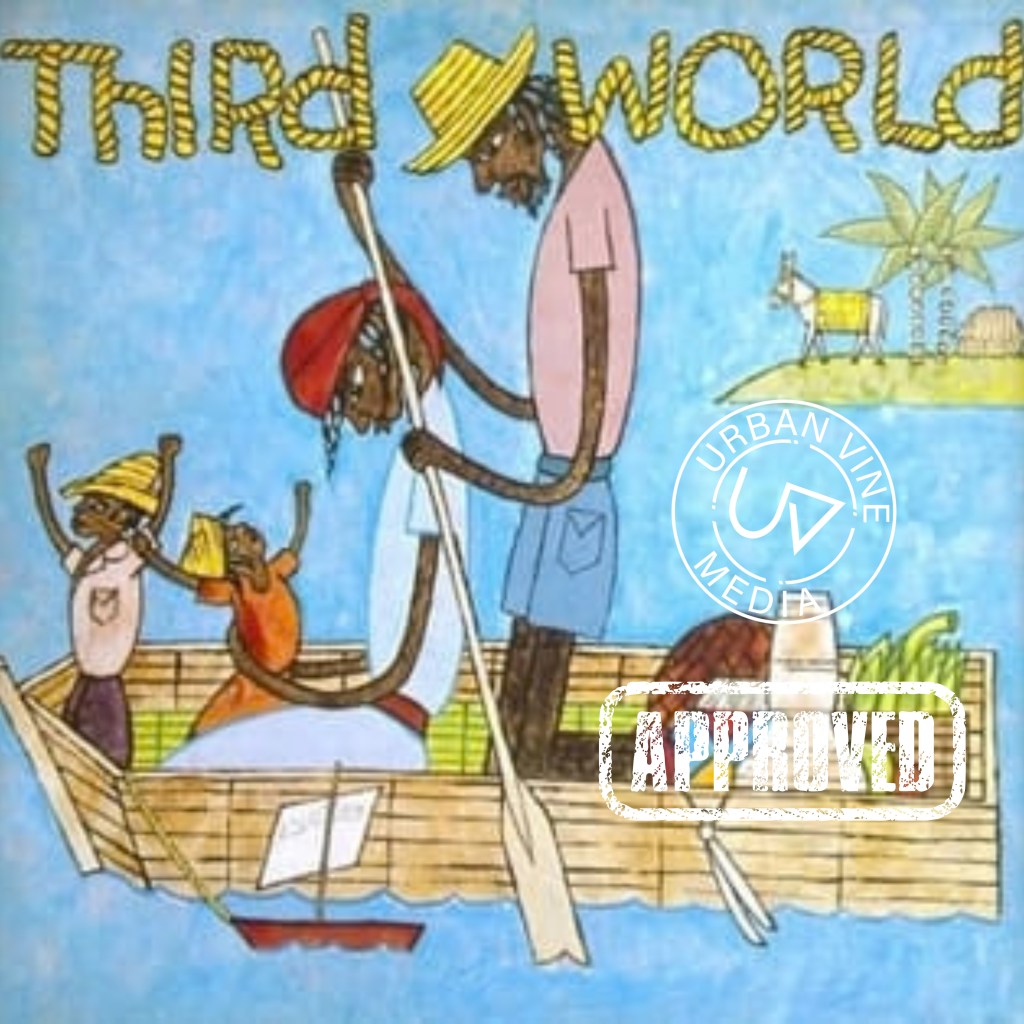
Third World gives us another part. Albums like Journey To Addis and 96 Degrees In The Shade were fusions, experiments taking Jamaican music across the world while keeping its soul. At first not everyone understood. Over time we did. 96 Degrees became history for younger generations. A prolific album is often misunderstood at first, then appreciated when culture catches up.
Our view is distinct because a classic was never always one artist with twelve songs. We grew up on compilations. When King Jammy released Sleng Teng or Dave Kelly at Mad House released Pepperseed and Showtime, we did not hear singles. We heard thirteen tracks on one riddim for forty-five minutes as an album. The riddim was the story, the artists were chapters. Those compilations are as Jamaican as it gets.
Yet we must be honest. Some of our greatest acts never made a classic album. Ninja Man had credibility, ability, presence, and the country waited on that one hit album. It never came. His legacy is singles and riddim performances, not a body we return to as a classic. He never lived up to the album we waited on.

That contrast makes Shabba clearer. At the break of the nineties he had two of the most prolific dancehall albums, As Raw As Ever and X-Tra Naked. Every track held in the street, on radio and internationally. He won a Grammy before hip hop corrected its view of dancehall and proved a Jamaican album could be both of the culture and of the world.
That is the lesson now. Chronology matured nicely. It was not instantly classic, it earned it. His sophomore dropped last year, we wait to see if it matures. Masicka just dropped, we are unsure if it will be prolific. Jesse Royal and Molli are dropped too. Not high yet, but time will show. We give albums time to become great, and that patience makes our definition different.


Leave a Reply