

by Dwayne Hinds

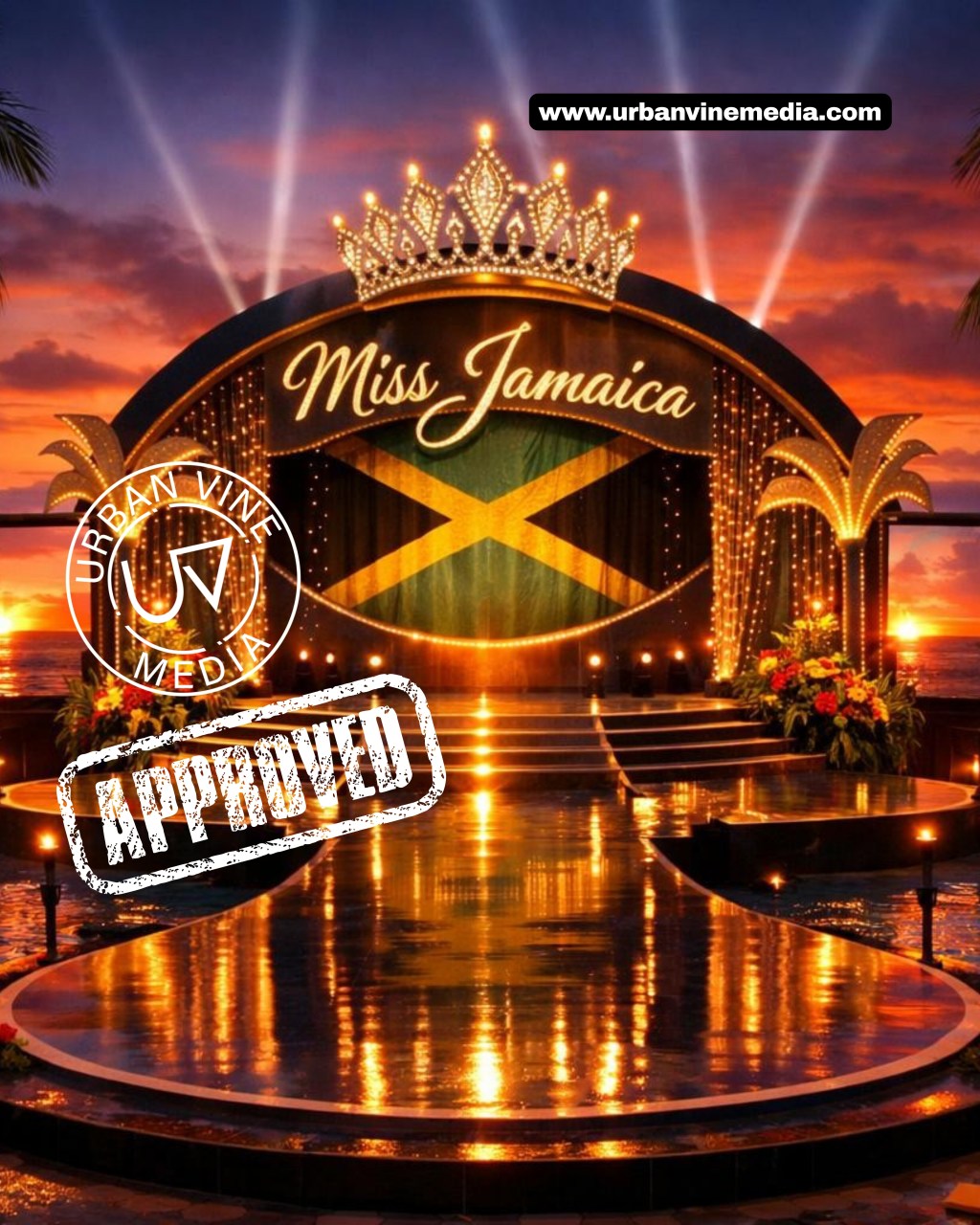
Jamaica has experienced a significant surge in beauty pageants over the past decade, transforming from occasional national events into a flourishing industry with numerous franchises operating across the island. However, this rapid growth has exposed critical gaps in franchise ownership preparedness, raising concerns about contestant welfare, industry standards, and the long-term sustainability of this entertainment sector.
The Caribbean island nation of Jamaica, renowned for its vibrant culture, music, and sporting achievements, has increasingly become a hotspot for beauty pageants in recent years. From small community events to internationally recognized franchises, the pageant industry has expanded dramatically, creating new opportunities and challenges alike. While the proliferation of pageants has democratized access to the stage for aspiring queens and kings, it has also revealed troubling deficiencies in how franchise owners operate their businesses, manage contestants, and maintain professional standards. This article explores the dual narrative of explosive growth and inadequate preparation that currently defines Jamaica’s pageant landscape.
Beauty pageants have long held a place in Jamaican culture, with the Miss Jamaica pageant serving as the flagship national competition since the 1940s. For decades, the industry remained relatively consolidated, with few major players dominating the market. However, the landscape began shifting dramatically in the early 2010s, and by the mid-2020s, the transformation was unmistakable. What was once a handful of annual events has evolved into a year-round ecosystem of pageant activities, from parish-level competitions to international franchise operations seeking Jamaican partnerships.
Several interconnected factors have contributed to the exponential growth of pageants in Jamaica. First, the rise of social media has transformed pageantry into a viable content creation platform, where contestants can build personal brands, attract sponsorships, and maintain public profiles long after the crown has been bestowed. The visibility afforded by platforms like Instagram and TikTok has made pageant participation increasingly attractive to young Jamaican women and men seeking public profiles and career opportunities.
Second, the economic potential of pageants has attracted entrepreneurs looking for business opportunities in the entertainment sector. With relatively low barriers to entry requiring primarily organizational skills rather than extensive capital, pageant franchises have become appealing ventures for individuals seeking to establish themselves in Jamaica’s entertainment industry. The revenue generated through entry fees, sponsorship deals, ticket sales, and media rights has proven substantial enough to sustain numerous competing franchises.
Third, Jamaica’s cultural emphasis on presentation, style, and public image creates fertile ground for pageantry. The country’s fashion industry, music scene, and theatrical traditions have cultivated a population that values elegance, eloquence, and public performance. This cultural affinity reduces the resistance to pageant participation that might exist in other markets and creates a ready audience for both contestants and spectators.

Fourth, the diaspora connection has introduced international pageant franchises to the Jamaican market. Organizations like Miss World, Miss Universe, and various Caribbean-focused pageants have actively sought Jamaican participants, elevating the prestige of pageantry and inspiring local entrepreneurs to create their own branded competitions that feed into these international systems.
The Scope of Current Operations
Today, Jamaica hosts dozens of pageant franchises operating at various levels. Parish pageants select representatives for national competitions, while national winners often go on to represent Jamaica in regional and international events. Specialized pageants focus on specific categories of beauty with a purpose, talent competitions, plus-size pageants, and male pageants creating a diverse ecosystem that appeals to varied audiences and participants.
The economic footprint of this industry is substantial. Entry fees can range from modest amounts for local competitions to significant investments for major national pageants. Sponsorship deals with beauty brands, fashion houses, and corporate partners generate revenue for both franchise owners and contestants. The hospitality sector benefits from pageant-related events, including galas, pre-pageant parties, and the pageants themselves.
Pageant franchise ownership in Jamaica spans a diverse range of individuals, from established entertainment moguls to first-time entrepreneurs. Some franchises are owned by former pageant contestants who have leveraged their experience and industry connections to launch their own competitions. Others are operated by individuals with backgrounds in event planning, hospitality, or media who view pageants as an extension of their existing business portfolios.
A significant portion of pageant franchise holders operate their businesses as supplementary income sources or passion projects rather than primary professions. This dual-role operation creates inherent challenges in managing the time-intensive demands of pageant organization, contestant development, and stakeholder communication. Unlike established entertainment industries where professional management structures exist, pageant franchises often rely on small teams or even individuals handling multiple responsibilities.
The allure of pageant franchise ownership extends beyond financial considerations. For many Jamaicans, owning a pageant franchise represents status, influence, and access to elite social networks. The ability to crown winners, attract media attention, and shape beauty standards within one’s community provides intangible benefits that complement the economic incentives.
However, the reality of franchise ownership often diverges from initial expectations. The day-to-day operations require extensive coordination with venues, sponsors, judges, contestants, and media partners. The emotional labor involved in managing contestants’ expectations, handling parental concerns (particularly for minors), and navigating the competitive dynamics between pageant families adds complexity that is not immediately apparent to new franchise owners.

Perhaps the most significant issue facing Jamaica’s pageant franchise owners is the widespread lack of professional preparation for the role. Unlike established industries where business owners typically receive formal training in management, marketing, and legal compliance, pageant franchise owners frequently enter the industry without understanding the full scope of their responsibilities. Many operate on intuition, personal experience, or the mentorship of other franchise owners who may themselves be inadequately prepared.
This training gap manifests in several operational deficiencies. Financial management practices often fall short of professional standards, with some franchises lacking proper accounting systems, transparent fee structures, or adequate reserves for event contingencies. Contractual agreements with contestants, venues, and sponsors may contain ambiguous terms, inadequate liability protections, or unenforceable provisions. The absence of standard operating procedures leaves franchises vulnerable to disputes and reputational damage.
The welfare of contestants represents a particularly concerning area where franchise preparedness is critically lacking. Proper pageant preparation extends far beyond teaching contestants to walk, pose, and answer interview questions. It encompasses mental health support, body image guidance, academic or career continuity planning, and safety protocols during events and travel.
Many franchise owners lack the expertise to provide comprehensive contestant development programs. Some rely on ad hoc arrangements with coaches, stylists, and trainers who may or may not have appropriate credentials or experience working with young people. The pressure to produce photogenic, confident winners can create unhealthy dynamics where contestants, many of whom are teenagers or young adults, face unrealistic expectations without adequate support systems.
The issue of parental involvement and consent presents additional challenges. Minor contestants require parental or guardian approval and oversight, yet some franchises struggle to establish clear protocols for parental communication, emergency contact procedures, and appropriate boundaries between adult organizers and underage participants. High-profile cases of contestant mistreatment in pageant industries globally have highlighted the importance of safeguarding practices that many Jamaican franchises have not implemented.
The legal dimensions of pageant operation receive insufficient attention from many franchise owners. Questions of liability in case of injury, discrimination in contestant selection, intellectual property rights in franchise branding, and employment law regarding staff and contractors require understanding that most pageant entrepreneurs lack. While Jamaica’s legal system provides general frameworks for business operation, the pageant industry has not developed specific standards or best practices that franchise owners can readily adopt.
Ethical considerations present similar challenges. Questions about appropriate relationships between franchise owners and contestants, the handling of sensitive personal information, and the balance between competitive intensity and contestant wellbeing require frameworks that many franchises have not formalized. The absence of industry-wide ethical standards means that practices vary dramatically between franchises, with some providing excellent care for contestants while others operate with minimal oversight.
In an era of social media and instant communication, the public relations dimensions of pageant ownership have become increasingly complex. Franchise owners must manage public perception, respond to criticism, handle contestant disputes that spill into public forums, and maintain brand integrity across multiple platforms. Many lack the media literacy or communication skills to navigate these challenges effectively.
The handling of negative publicity or contestant complaints often compounds problems rather than resolving them. Without proper crisis communication training, franchise owners may issue statements that escalate tensions, delete criticism that might have been addressed constructively, or remain silent when proactive engagement would serve better. These missteps damage both individual franchises and the broader industry reputation.
The unpreparedness of franchise owners creates significant risks for contestants. Young participants may enter pageants with unrealistic expectations about the experience, only to encounter disorganization, poor communication, or inadequate support when challenges arise. The emotional toll of pageantry competition anxiety, comparison to other contestants, body image pressures requires professional handling that many franchises cannot provide. Contestants who experience negative pageant environments may develop lasting negative associations with competitive pursuits, leadership opportunities, or public performance. Conversely, those who receive proper support can emerge with invaluable life skills, confidence, and networks that serve them throughout their careers. The difference often lies in the quality of franchise management rather than the inherent qualities of the contestants.
The proliferation of poorly prepared franchise owners has economic implications that extend beyond individual businesses. Unpaid prizes, broken sponsorship commitments, and unprofessional event execution damage the credibility of the entire industry. Sponsors who have negative experiences with pageant franchises may withdraw support entirely, reducing opportunities for all competitors. Venue operators, media partners, and service providers may increase prices or impose stricter terms when dealing with franchises perceived as unreliable.
For contestants and their families, the financial burden of pageant participation can be substantial. Costume expenses, training fees, travel requirements, and entry costs add up quickly. When franchises fail to deliver promised experiences or opportunities, participants may feel their investments were wasted, creating resentment that inhibits future participation in the pageant ecosystem. Jamaica’s pageant industry exists within a global context where pageantry has faced increasing scrutiny. International media coverage of pageant-related controversies from exploitative practices to inappropriate behavior by organizers has heightened public awareness of the industry’s potential harms. Jamaican franchises are not immune to these concerns, and isolated incidents of misconduct or negligence can generate negative coverage that affects the entire national industry.
The lack of industry self-regulation amplifies these risks. Without unified standards, certification requirements, or professional associations to establish and enforce best practices, the Jamaican pageant industry lacks mechanisms for quality control or accountability. Individual franchises that operate irresponsibly tarnish the reputation of the industry as a whole, potentially limiting growth opportunities and reducing public trust.
Despite the challenges, some pageant franchises in Jamaica have demonstrated that professional, contestant-focused operations are achievable. These success stories typically share common characteristics: franchise owners with extensive pageant experience or formal business training, clear organizational structures with defined roles and responsibilities, comprehensive contestant development programs, transparent financial practices, and proactive community engagement.
These exemplary franchises often serve as informal mentors to newer operators, sharing knowledge and providing guidance that helps raise industry standards. However, their influence is limited by the absence of formal channels for knowledge transfer and the competitive dynamics that discourage collaboration between franchises.
Several incidents have highlighted the consequences of inadequate franchise preparation. In one case, a newly established pageant franchise collapsed before completing its inaugural event, leaving contestants who had paid entry fees without refunds and with damaged hopes of competition experience. In another instance, inadequate safeguarding measures resulted in inappropriate contact between an adult volunteer and a minor contestant, exposing both the franchise and the broader industry to criticism. These cases, while not representative of all Jamaican pageant franchises, illustrate the real-world consequences of unpreparedness. They underscore the need for systemic improvements in how franchise owners are prepared for their responsibilities.
Pageant operations in Jamaica currently fall under general business regulations rather than industry-specific oversight. No government agency specifically regulates pageant franchises, and no licensing requirements exist for those seeking to establish pageant businesses. While general laws regarding business registration, contract enforcement, and child protection apply to pageant operations, the absence of targeted regulation means that inadequate operators can continue functioning with minimal accountability. This regulatory gap reflects broader patterns in Jamaica’s entertainment industry, where many creative ventures operate with minimal formal oversight. However, the unique characteristics of pageantry including the involvement of minors, the intensity of competitive dynamics, and the public nature of the events suggest that some form of industry-specific standards might benefit all stakeholders.
Many observers advocate for industry self-regulation as an alternative to government intervention. Professional associations could establish standards for contestant welfare, financial transparency, and ethical conduct. Certification programs could recognize franchise owners who complete training requirements and demonstrate adherence to best practices. Peer review processes could address disputes and concerns before they escalate to public controversies.
However, self-regulation faces significant obstacles. Competition between franchises creates disincentives for cooperation, as operators may fear that shared standards would disadvantage them relative to less scrupulous competitors. The diversity of franchise sizes and business models complicates the development of universal standards. And without enforcement mechanisms, voluntary guidelines may have limited impact on resistant operators.
Addressing the preparedness gap requires systematic investment in franchise owner education. Proposed initiatives include:
Business Skills Development: Franchises should be required or incentivized to complete business management training covering financial planning, legal compliance, human resources, and customer relationship management. Organizations like the Jamaica Business Development Corporation could develop specialized curricula for entertainment entrepreneurs.
Contestant Welfare Certification: Training programs focused specifically on the welfare of pageant participants particularly minors should be developed and made widely available. Topics would include appropriate boundaries, mental health first aid, safeguarding practices, and recognizing signs of distress or exploitation.
Industry Networking and Mentorship: Formal mentorship programs could pair new franchise owners with experienced operators who can provide guidance through common challenges. Industry conferences and networking events would facilitate relationship-building and knowledge sharing.
The development of industry-wide standards represents a crucial step toward professionalization. Key areas for standard-setting include:
Financial Transparency: Minimum standards for fee disclosure, prize fulfillment, and financial reporting would protect contestants and sponsors from deceptive practices.
Contestant Contracts: Template agreements that clearly outline the rights and responsibilities of all parties could be developed and made available to franchise operators.
Safeguarding Protocols: Comprehensive guidelines for the protection of minor contestants, including background check requirements for staff and volunteers, supervision ratios, and reporting procedures for concerns, would establish baseline protections.
Event Safety: Standards for venue selection, emergency procedures, and health services at pageant events would reduce risks to all participants.
Rather than creating barriers to entry, initiatives should support new franchise owners in developing professional operations. Incubator programs could provide resources, mentorship, and gradual scaling opportunities for entrepreneurs seeking to establish pageant businesses. Shared services such as legal consultation, accounting support, and venue partnerships could reduce costs for smaller operators while raising quality standards. The pageant industry’s growth in Jamaica reflects broader cultural dynamics that merit consideration. Pageants occupy a contested space in Caribbean culture, with some viewing them as empowering platforms for women’s leadership and others critiquing them as perpetuating unrealistic beauty standards or reinforcing patriarchal norms. These debates are not unique to Jamaica but take on particular significance in a society where image, presentation, and public performance hold cultural importance.
The industry’s evolution will be shaped by how Jamaicans navigate these tensions. Pageants that emphasize substance, service, and authentic representation may differentiate themselves from those focused primarily on appearance, creating market segmentation that serves diverse audience preferences. The success of purpose-driven pageants could encourage broader industry evolution toward more meaningful programming. The pageant industry serves participants across generations, from young children in preliminary divisions to mature women competing in senior categories. Each demographic presents distinct needs and expectations that franchises must address appropriately. The involvement of parents and family members adds complexity, as franchise owners must navigate intergenerational dynamics while maintaining professional boundaries.
Younger generations of Jamaicans bring changing expectations to pageantry, including greater emphasis on authenticity, social media engagement, and alignment with personal values. Franchises that recognize and adapt to these shifting preferences may find competitive advantages in an evolving market.
Conclusion
The rise of pageants in Jamaica represents a remarkable transformation of the entertainment landscape, creating opportunities for entrepreneurs, contestants, and audiences alike. However, this growth has outpaced the development of professional standards, leaving many franchise owners inadequately prepared for the responsibilities they have undertaken. The consequences; contestant welfare concerns, economic instability, and reputational risks; threaten the long-term sustainability of the industry.
Addressing these challenges requires coordinated action across multiple fronts: training and education for franchise owners, development of industry standards, support for emerging operators, and ongoing dialogue about the role of pageantry in Jamaican culture. The goal is not to restrict the industry’s growth but to ensure that growth occurs responsibly, with appropriate attention to the welfare of all participants and the professional reputation of the sector.
Jamaica’s pageant industry has demonstrated remarkable resilience and adaptability. With targeted investments in preparedness and professionalization, the sector can realize its full potential as a source of entertainment, leadership development, and cultural expression. The path forward requires collaboration, commitment, and a shared vision of pageantry as a worthy endeavor deserving of the care and competence that all participants deserve.


Leave a Reply