

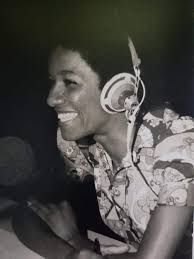
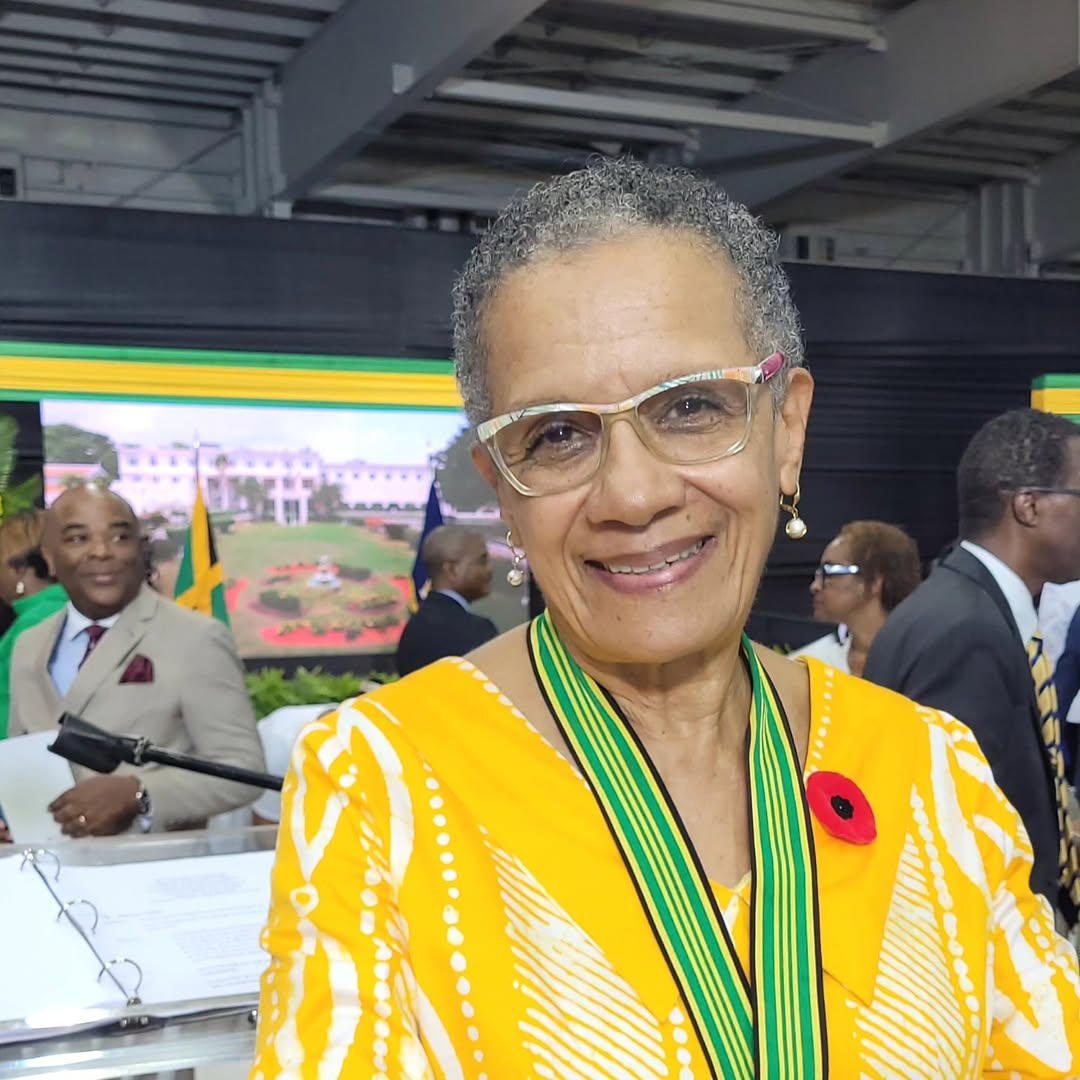
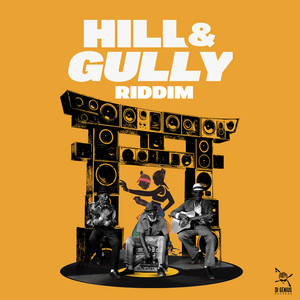
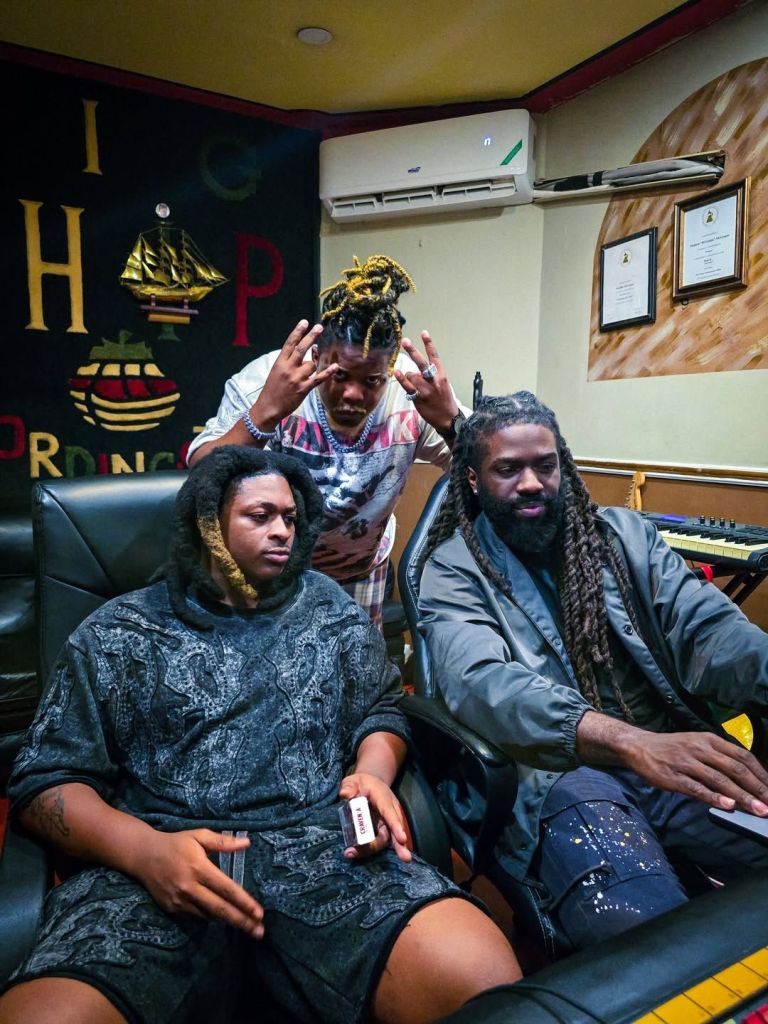
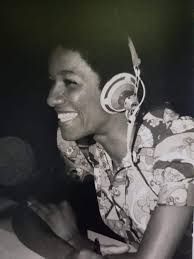
When Jamaican media mogul Fae Ellington came to social media last week to express her disdain for the lyrics attached to Steven ‘Di Genius’ McGregor’s newest production, the Hill and Gully Ride Riddim, it attracted both agreement and backlash. On one hand, several persons agreed that the artistes should have done a better job of preserving the integrity of the folk song’s heritage without ‘corrupting’ it through the newly attached lyrics. Then others asked — does she have the right to determine what should be considered sacred within our culture, since dancehall is very much a part of our culture too? How dare she minimize the importance of dancehall, with all the influence it has had within our society? In fact, many have pointed out that a lot of the words from our folk music are not necessarily ‘clean’ when left to interpretation. Is it then not hypocritical to label dancehall music as vulgar, when it’s clearly nothing but a bunch of vibrant people simply ‘holding a vibes’?
It seems like the days of calling a spade a spade are long gone. Familiarity and acceptance don’t necessarily mean that something is okay, or that it’s welcome in all spaces. And the hypocrisy charge only makes sense if you completely ignore how the older music was created. A very fond experience of my childhood was learning many a folk song. I rarely learned them at school or even on TV, and I wasn’t a part of the drama club, though I attended a few meetings. I learned all the folk songs I know from going to church camp, because they were acceptable even in the most sanctified of places. Why? While at this age I can imagine that ‘Carry Me Ackee Go a Linstead Market’ might have other meanings, I knew only one meaning at the age of 12 — and it was no different from the knowledge I had on Eve eating the fruit in the first book of the Bible, though I can have a more ‘grown’ exegesis now. Even when the folk songs bore double meanings, they incorporated the vivid use of literary devices and figurative language. In other words, ‘the music had on clothes’. Something that was quite common even in dancehall a few years ago. But we have to agree that a lot of the music coming from dancehall now — and that was attached to the Hill and Gully Ride Riddim — is what our grandmothers would call ‘slackness’.
And the long bandana skirt our folk songs wore wasn’t just about being decent — it held stories in its threads. Outside of the occasional double entendre, most folk songs actually tell us a part of our history. In fact, the same Fae Ellington spoke about the same Hill and Gully Ride folk song in an interview with TVJ, saying it was about the Maroons travelling up and down the hills and mountains of St. James. So many of our children don’t know who the Maroons are, or how much they represent the resilience and strength of our people — that they were the first to free themselves among the Africans brought here. And unfortunately, when a child types “Hill and Gully in Jamaica” into the Google search engine, they’ll no longer learn of that, or learn about the TV show that showcased the livelihoods of our people back in the early 2000s. They’ll learn that ‘when she slips, she slides’. Funnily enough, the artiste on the riddim who would have honoured Jamaica’s folkloric background the most was Ayetian, a Jamaican born to Haitian parents — and he has even spoken about how his song wasn’t being well received here. It says something that the one most willing to honour the roots was the one whose own roots didn’t even begin on our island.
But why bother with this conversation? Dancehall music, for as long as it has existed, has not necessarily respected the sanctity of much. Between Beenie Man and Elephant Man, nearly half of traditional church songs have been remixed for dancehall. But that doesn’t only show a lack of respect for religion or culture — it also potentially minimizes some portion of dancehall to almost being parodies and gimmicks. So in not respecting other genres of music, dancehall artistes leave room for dancehall to also disrespect itself. Self-sabotage at its finest, and dare I say, most costly. Dancehall artistes have for years been complaining that genres born from dancehall, such as Afrobeats, have been doing better internationally. But oftentimes, limiting the genre to perverse lyrics reduces its reach and its commercialization. I can recall a comment mentioning how an opportunity was missed for the music to be used for this year’s Emancipendence, especially with the yearly Grand Gala coming up.
And this isn’t to say there isn’t a space for dancehall with the lewdness and the raunchiness that is typically attached to it. But that is only a portion, and several opportunities are there for it to be so much more. Ellington praised Di Genius for how he transformed a folk song into something modern, and the makeover was great — in fact, genius — just for it to be painted over with graffiti.
Dancehall is a well-established genre, with industry experts and thought leaders and intelligent people at the helm of it. It’s not a ‘boogoyaga’ business, it’s not beyond integrity. Dancehall could and should have its own category, even in Grammy nominations and other awards internationally — and it would, if it expanded itself beyond ‘frock tail’ and ‘long-di-lala’. And the fact that Di Genius had to come on the internet to ward the young people off Ms Ellington’s back shows just how far removed we are from who we are. Because our young people don’t know how much of an icon and a national treasure Aunty Fae is. And they cannot conceptualize that even if persons like Di Genius disagree with her, they will do so with nothing but the highest and utmost respect there is.
I end with this statement from Marcus Garvey: “A people without the knowledge of their past history, origin, and culture is like a tree without roots.” We have a responsibility, in any part of anything that we call culture, to respect our history and heritage. That’s how we remain grounded. That’s how we remain rooted. And that’s how even dancehall can rise to the highest of its potential.
Written by K L Williams
Kerece Lilanie Williams is a poet and educator, and the author of three poetry collections published under the name Lilanie: Kisses and Lies, Above Water, and Faith and Favour: Odes of Gratitude for Unmerited Grace. She contributes her writing to Urban Vine Media, a creative initiative that fosters intellectual conversations around arts, culture, and entertainment in Jamaica and the diaspora.
She is also the founder of Write Ah Yaad, a vibrant writing community for Caribbean poets and storytellers, and the Chief “Copy Cat” behind MeowMedia Services, a platform helping creative entrepreneurs create and build their brands—because kats roar with MeowMedia.


Leave a Reply