

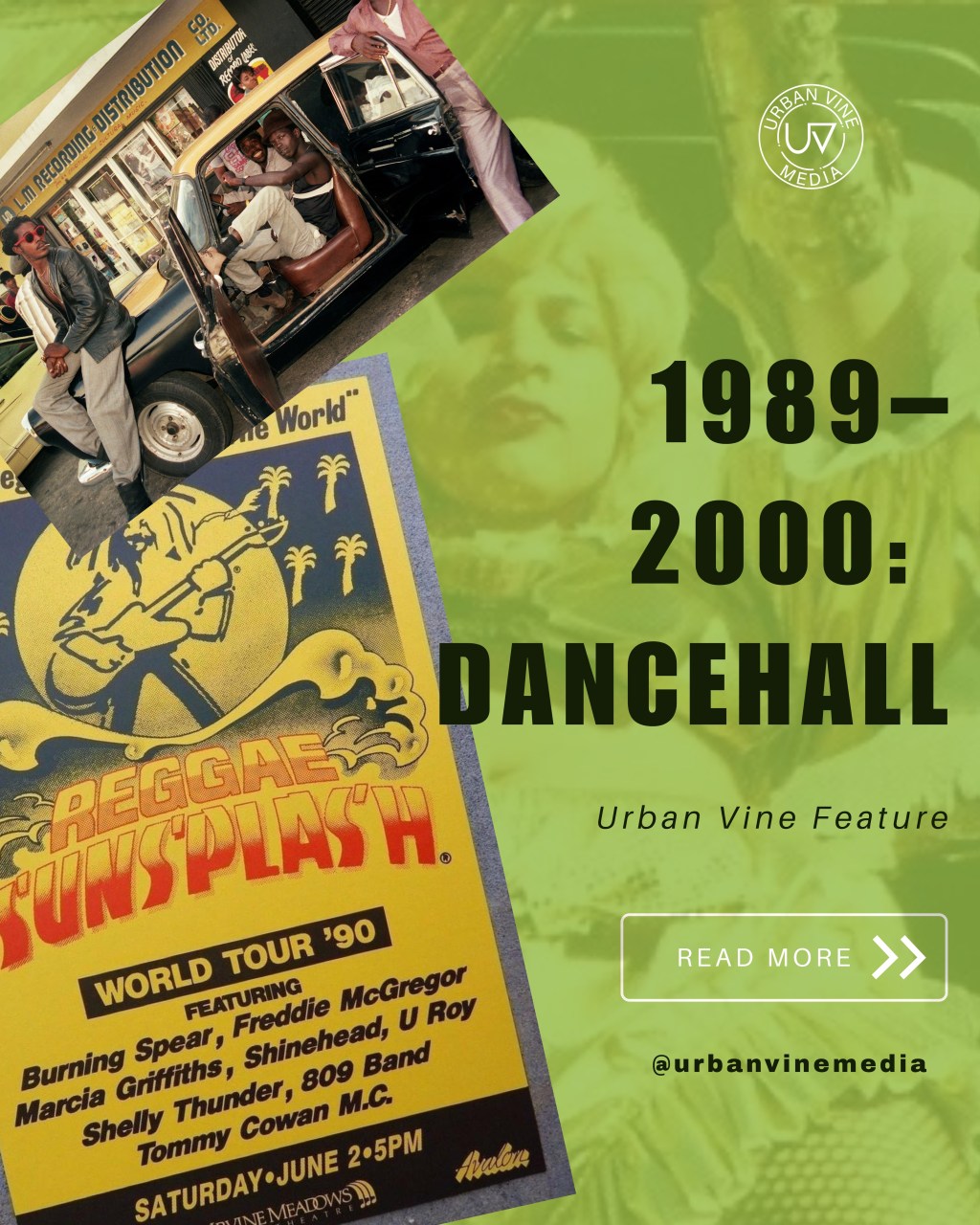
URBANVINE FEATURE
1989–2000: When Dancehall Owned The World Because Jamaica Owned The Street
The nineties, from 1989 to the millennial shift in 2000, remain the most hyped, glorified, and creative stretch in dancehall history. This wasn’t just music. It was a daily economy, a social network, and an export machine — all powered by the man on the ground. For one decade, reggae and dancehall didn’t chase global trends. Global trends chased us.
“Grassroots wasn’t marketing — it was geography. When the man on the ground moved, the world followed.”
THE ECO CYCLE: WHY MULTIPLE KINGDOMS THRIVED
The 90s supported micro-ecosystems because the infrastructure demanded it. Main Street Crew, Shabba Ranks and his camp, Professor Nuts and his team, Bounty Killer’s Alliance rising mid-90s, Buju Banton breaking early 90s — none had to kill the other to survive. Digital production post-Sleng Teng gave King Jammy’s, Penthouse, Xterminator, and others distinct sonic lanes.
Riddims moved from studio to sound system to street in days. Stone Love, Metro Media, Super D, Renaissance, HMV, and rural forces like Travelers became media houses. They broke records at dances before radio, made artists household names through dubplates and clashes, and turned selectors into cultural gatekeepers.
“The street wasn’t consuming — it was participating. Barber shops, buses, and corner dances made every release part of daily life.”_
GLOBAL REVERENCE: BUILT AT HOME, RESPECTED ABROAD
Because Jamaica supported it first, the world respected it. The 90s took acts who bridged the late 80s — Yami Bolo, Sanchez, Richie Stephens — and bands like Home T 4 and Third World, and made them globally revered. VP, Penthouse, and King Jammy’s had real international distribution. Reggae Sunsplash, BET, and MTV gave stages, but the authenticity came from local saturation.
Clothing, slang, dance moves, television — all of it traveled because the music carried it. Dancehall became Jamaica’s biggest cultural export after tourism, touching fashion runways to sitcom soundtracks without asking permission. You couldn’t fake it abroad if Kingston didn’t know your lyrics.
WHAT MADE IT SO BRASH
The sound matched the confidence. Digital riddims were stripped, aggressive, and left space for lyrical attack. Clash culture, slackness, and social commentary ran on the same stage. No PR filter. Bounty’s war imagery, Bogle’s dances, the fashion — everything was deliberately provocative.
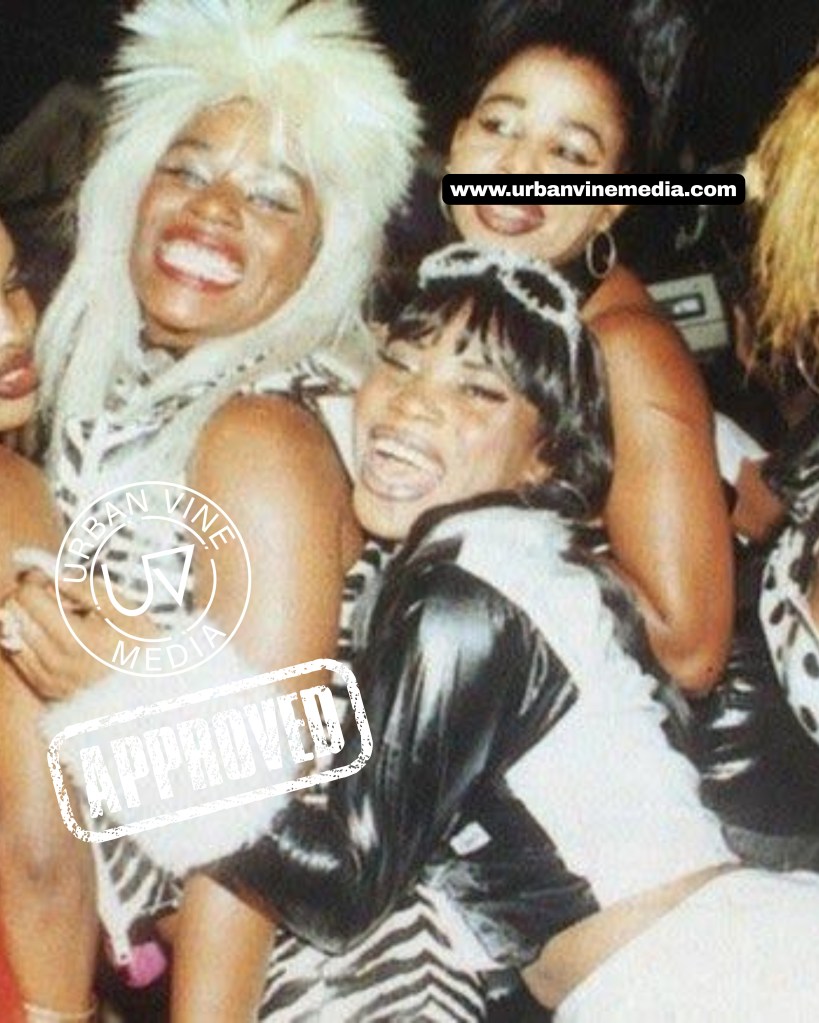
“Post-independence, post-Sleng Teng Jamaica wasn’t seeking validation. It was declaring: this is us.”
Post-independence, post-Sleng Teng Jamaica wasn’t seeking validation. It was declaring: this is us. That brashness was belief. The industry hadn’t yet learned to package and dilute it.
1989–2000: STYLES, VIBES, ENERGY*
Between 1989 and 2000 we created an unmatched range. Conscious reggae, hardcore dancehall, lover’s rock, ragga, gospel-infused sets, live bands, and digital minimalism all coexisted. One year could give you “Murder She Wrote,” “Action,” “Champion,” and “Who Am I” — all massive, all different, all Jamaican.
The eco cycle meant an artist could build an established career, not just a viral moment. Labels invested in albums. Sounds invested in artists. The street invested in both. Grassroots meant the man on the ground was part of the culture, not just a consumer of it.
THE LEGACY
The 90s were great because the culture was whole. That’s why the era remains unmatched: it was the last time the culture owned the industry before the industry tried to own the culture.


Leave a Reply