

Demystifying the Propaganda Against Women’s Literary Ability — Honouring the Ones History Ignored
I’m from a small community — Lluidas Vale — and off the top of my head, I can count on one hand the people who have published books from here within my lifetime. My brother, Rakar Williams. My former Primary School Principal, the late Elgin Taylor. My neighbour, Ansel Brown, a former teacher at the Lluidas Vale Primary. And myself, Ms Kerece Lilanie Williams.
For such a small community, we’re actually not doing too badly. I know of even more artistes, DJs and singers from here — and only two of them are women: Kadian Hamilton, a former member of the girl band Adahzeh, and Sexy Kayda, who was on the Magnum Kings and Queens of Dancehall.
But I’d like to note that of the writers with books, I’m the only woman.
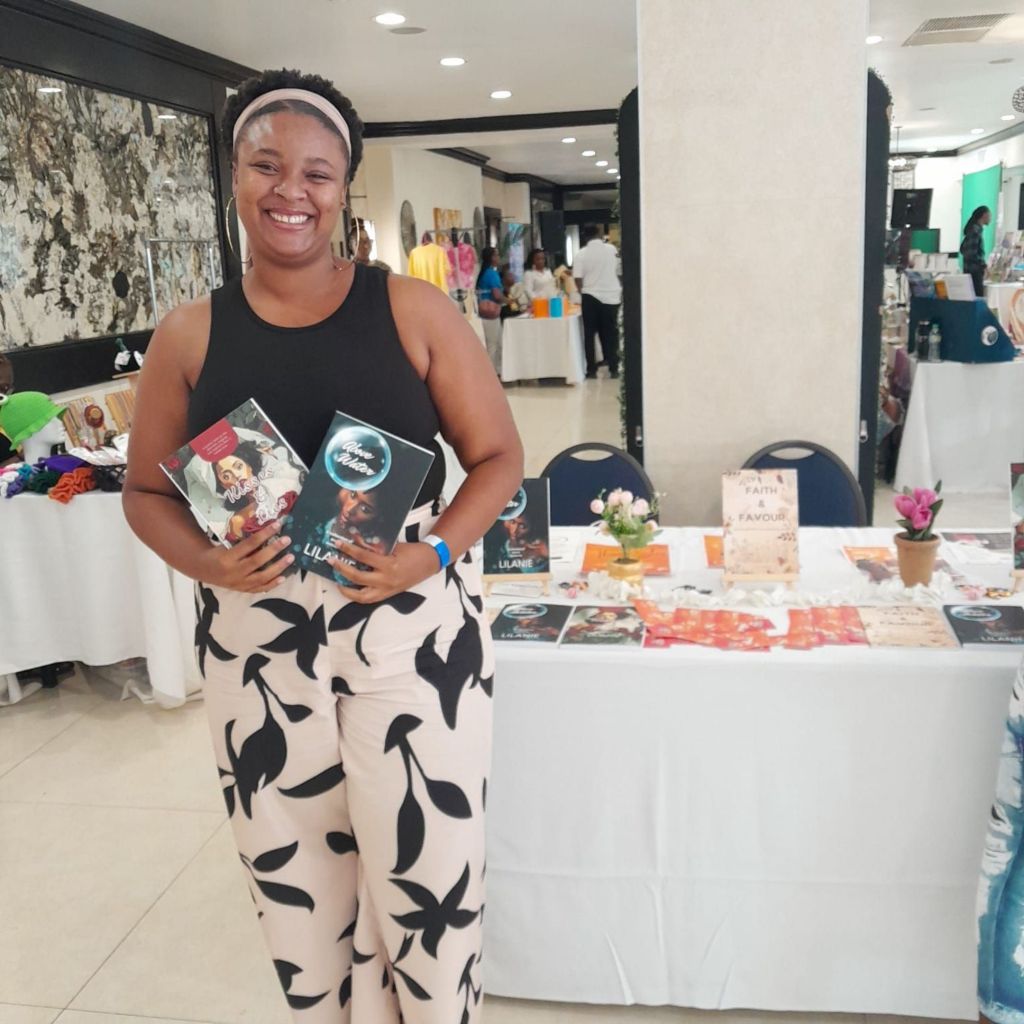
I’ve showcased my work to a few community members, and at least two of them outright asked whether one of the other writers wrote for me. And considering that I am writing and advertising my books concurrently with a prominent writer, that particular question might seem plausible to some. However, the question is also a bit condescending, especially in light of how historically women have been undermined as writers.
For clarity’s sake, I am the author of three poetry collections written under my middle name, Lilanie — Faith and Favour: Odes of Gratitude for Unmerited Grace, Kisses and Lies, and Above Water.
But this suspicion is not unique to small communities like mine. Even women at the highest levels of entertainment have had their authorship questioned.
Considering the political climate around Nicki Minaj — though she is not the first example I would want to use — I remember when there were consistent arguments claiming that the men around her were writing her lyrics. People even tried to credit her then-partner, Safaree. And we all know Safaree has released music of his own — which, with respect, was not to the same lyrical standard. That alone gave Miss Minaj reason to shut down the rumours with her now-infamous declaration that everything she spat, she wrote.
So no, I could never give credit to anyone for writing my work.
I still have my Snow White and the Seven Dwarfs book, signed as the Top Poetry Student, which I received when I was in Grade Three — mind you, this was an all-school competition. And in those days, it was all-age, meaning students from Grades 1–9 competed together. So I’m not new to this. I’m true to this.
And yes, it might seem like it’s not that serious — but it actually is that serious, considering how many women were overlooked, and how many men have received credit for decades for work influenced or inspired by the women around them. Scholars have long pointed out the influence of Zelda Fitzgerald’s diaries, letters and sayings on the writing of The Great Gatsby, yet she was never credited alongside F. Scott Fitzgerald.
There are too many cases in which women have lived in the shadows of men when it comes to their work. Several women were even forced to use male pseudonyms in order to publish their books — and unfortunately, that phenomenon still exists even in this day and age.
History cannot be undone, and unfortunately, we may never know the full truth behind the origins of many poems, songs and stories written by women but credited to men. We only have to contend with the information we’re given and the looming speculations.
Alas, all of this has passed away, and that ideology is now but an artefact in the newness of an era that celebrates women as equals in literature. We can own our creativity out loud. And while we will still be underestimated, the more we show up on the writing scene — consistently — the more we diminish the voices of the naysayers.
Have you ever noticed the grace and delicacy it takes to hold a pen? It doesn’t require a grip the way a machete, a drill or a hammer does. It requires minimal external force, yet it can birth and destroy, to heal and harm, to persuade, to change the very course of history, to halt and equally solidify destiny.
It’s clear that writing is inherently woman. And the only thing inherently male about the word pen is that it begins a word — one typically aligned with male anatomy.
And in this Women’s History Month, we proclaim that. We own that. We owe that to all the women of history who never had the opportunity to share their voice — their work — borrowed, stolen, or worse.
For so long, we have spoken about the witches burned at the stake. But far more “spells” have been burnt — the words, ideas and creations of everyday women and witches alike.
So that we now have the opportunity to carry on the legacies of the Miss Lous and Maya Angelous — both the ones we know and the ones who went unnamed, or incorrectly gendered.
Women will no longer be written out of writing and literature. We are rewriting history — repainted as the talented, remarkable and creative species that we are.
And yes, it’s that serious.
Written by K L Williams
Kerece Lilanie Williams is a poet and educator, and the author of three poetry collections published under the name Lilanie: Kisses and Lies, Above Water, and Faith and Favour: Odes of Gratitude for Unmerited Grace. She contributes her writing to Urban Vine Media, a creative initiative that fosters intellectual conversations around arts, culture, and entertainment in Jamaica and the diaspora.
She is also the founder of Write Ah Yaad, a vibrant writing community for Caribbean poets and storytellers, and the Chief “Copy Cat” behind MeowMedia Services, a platform helping creative entrepreneurs create and build their brands—because kats roar with MeowMedia.
 Urban Vine Media
Leave a comment