

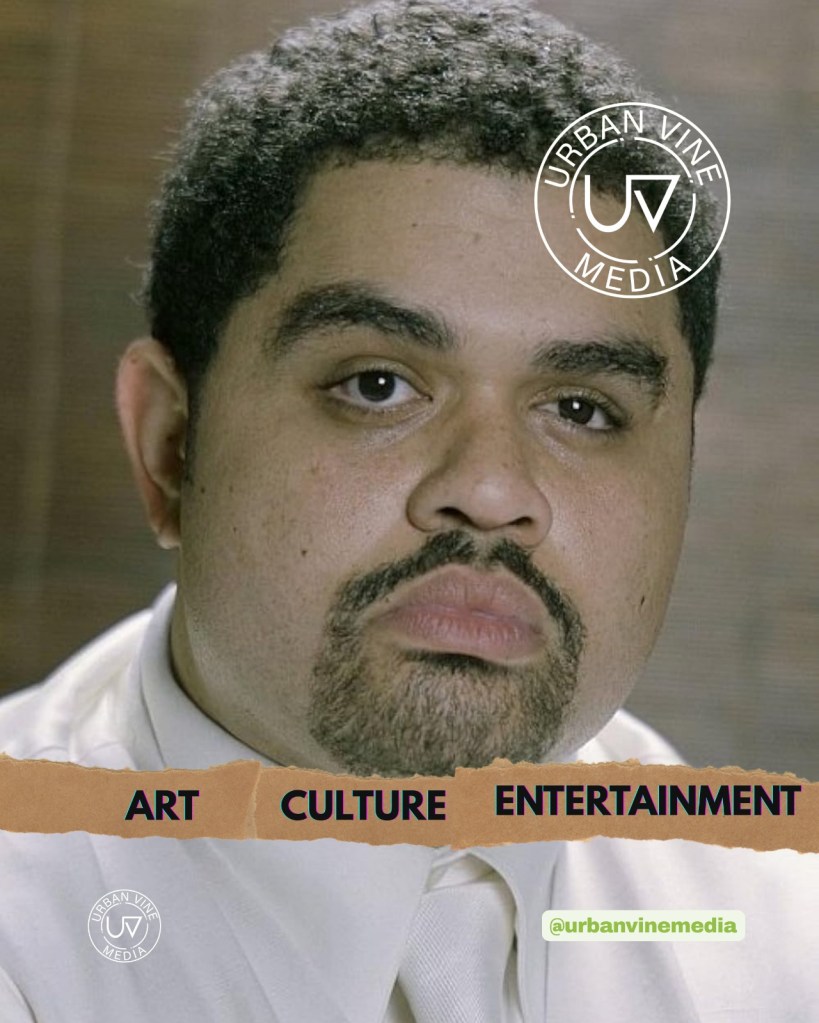
The early nineties were a pivotal time for dancehall, with Shabba Ranks bringing the genre to the global stage. The Grammy Awards, capitalizing on the international success of Bob Marley, began to recognize reggae and urban culture, opening the door for artists to experiment and fuse genres. Internationally, artists like Terro Fabulous, Nadine Sutherland, Heavy D (born Dwight Errington Myers), and Snow (born Durron Butler) helped push the boundaries of reggae and dancehall, introducing the sound to new audiences. These names are synonymous with the exposure of the culture from grass roots to mainstream.
The nineties are often referred to as the “glorious” era of dancehall, with collaborations between artists like Shabba Ranks, Maxi Priest, Johnny Gill, and KRS-One pushing the boundaries of the genre. These fusions expanded the market share, introducing dancehall to new audiences and incorporating elements from other styles.
However, over the last two decades, the marketplace has shrunk, and the sound has evolved. Despite this, the original sounds of the nineties continue to influence modern music. The YFL rhythm, a modern take on a nineties drum pattern, has gained popularity, raising questions about the state of dancehall culture.
Are older acts, like Buju Banton and Anthony B, dominating the scene because they’ve found a winning formula? Have they figured out how to make hits on nineties-inspired rhythms? And what does this mean for the future of dancehall and reggae?
As we look to the future, it’s clear that dancehall is not dying – the world has gravitated towards it, and there’s already a established market share. Perhaps the key to a bright future lies in combining the past with the present, incorporating old elements with new sounds. What do you think?
 Urban Vine Media
Leave a comment