

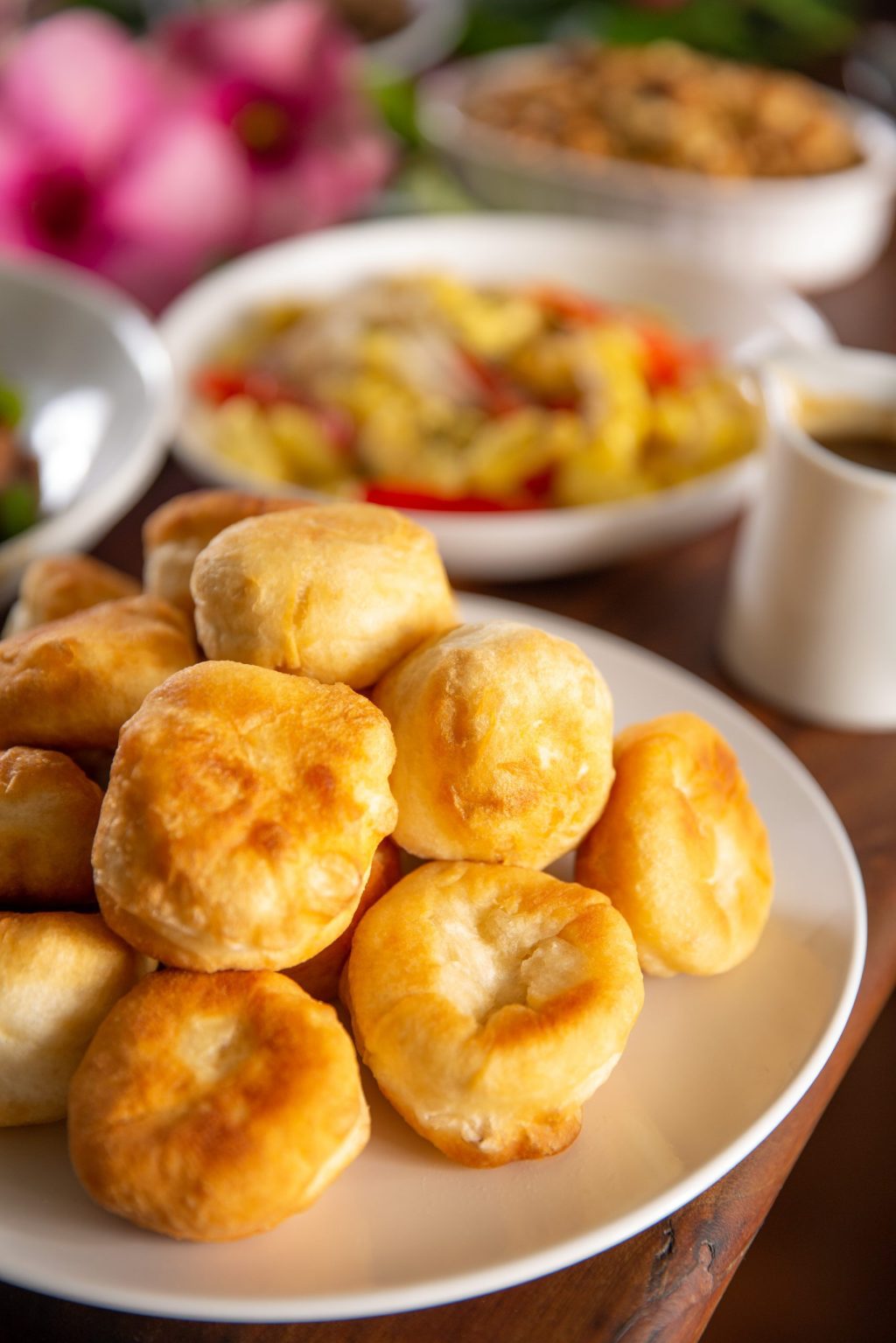
How Jamaicans Turn Flour into Five Delicious Dishes
Jamaicans have mastered the art of “tun yuh hand and mek fashion.” This creativity is reflected in every fibre of our culture—our music, dance, and art—but perhaps even more so in our food. Jamaicans are well known for using cheap, accessible ingredients to create gourmet meals. One of the easiest ways to prove this is through our ability to use something as simple as flour as the main ingredient in several traditional dishes.
In this blog, five popular Jamaican side dishes are featured, all of which capture the essence of creatively using flour as a main ingredient—without the need for an oven.
1. Johnny Cakes / Fried Dumplings
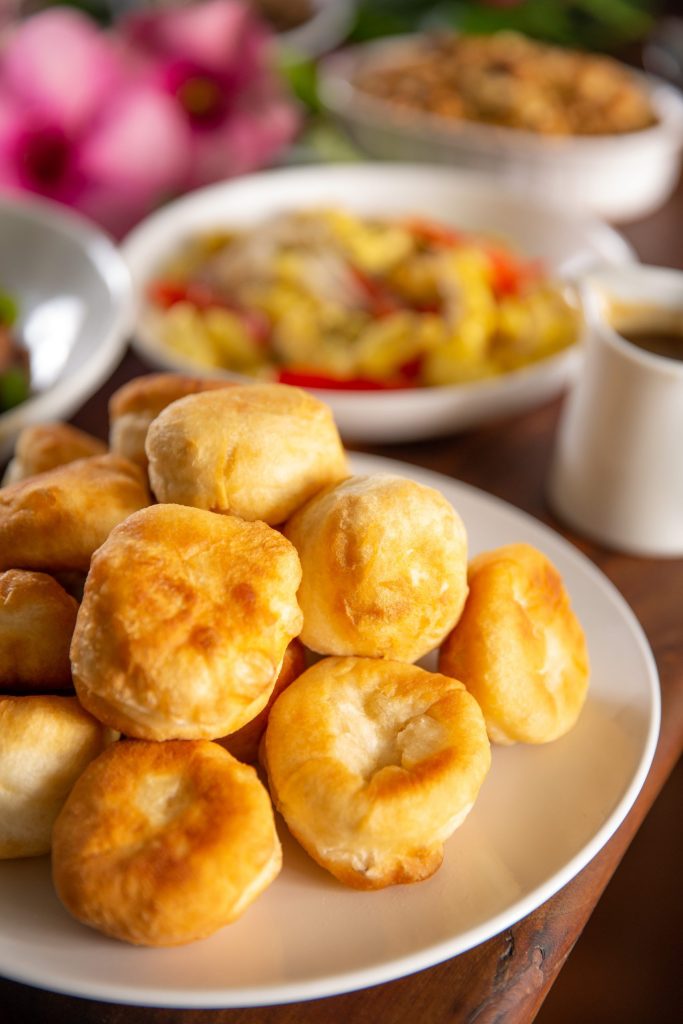
If fried dumplings were not at the top of this list, the list itself might be seen as illegitimate. Fried dumplings are a staple of the Jamaican diet, especially as part of a traditional breakfast. They are easily paired with several main dishes such as ackee and saltfish, brown stew chicken, or tin mackerel, also known as “tin boom.”
Johnny cakes are fried until golden brown, with a centre that steams through to a slight fluffiness—free of the raw, doughy texture present when first placed in hot oil. They are usually round but may take other shapes, including braids. While it is a very simple dish, made with only about four main ingredients—flour, salt, baking powder, and sometimes a bit of sugar—it can still be challenging to prepare well. As a result, the ability to make perfect Johnny cakes is often revered as a talent among Jamaicans.
2. Festivals
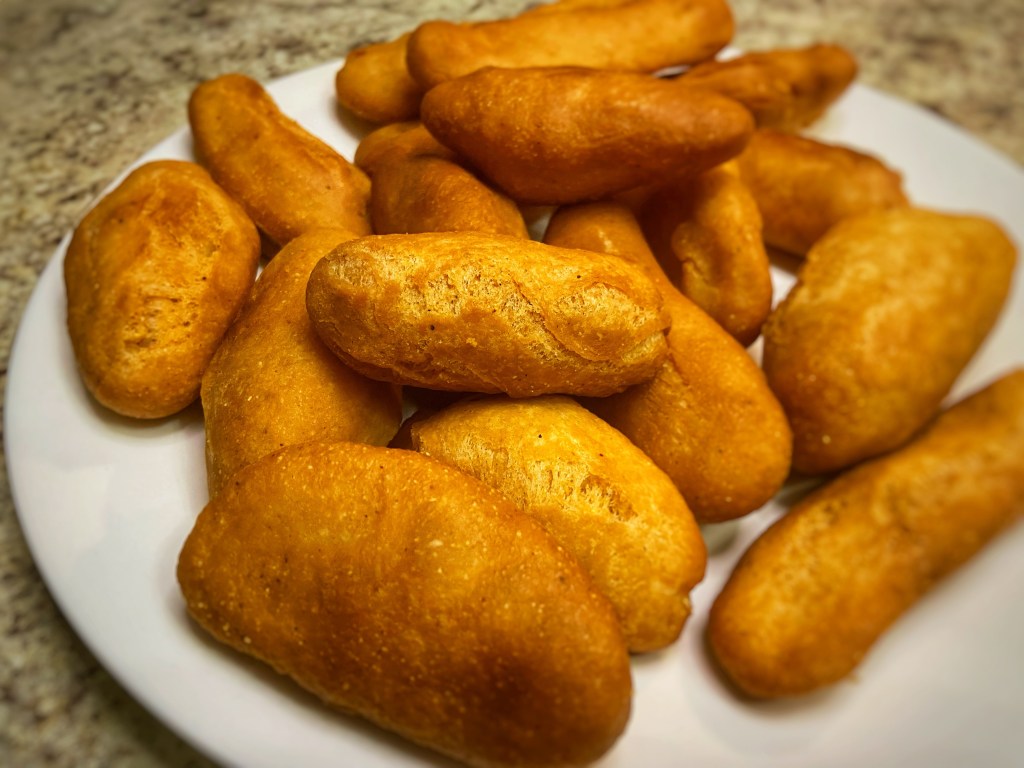
Festivals are a close relative of traditional Johnny cakes and are prepared in a similar way, with the main differences being the addition of cornmeal and a higher sugar content. Instead of being shaped into flattened circles, festivals are typically rolled into longer forms.
Unlike Johnny cakes, festivals are not usually considered a breakfast item. They are more commonly paired with heavier main dishes such as jerk chicken, making them a popular choice for lunch or supper.
3. Boiled Dumplings
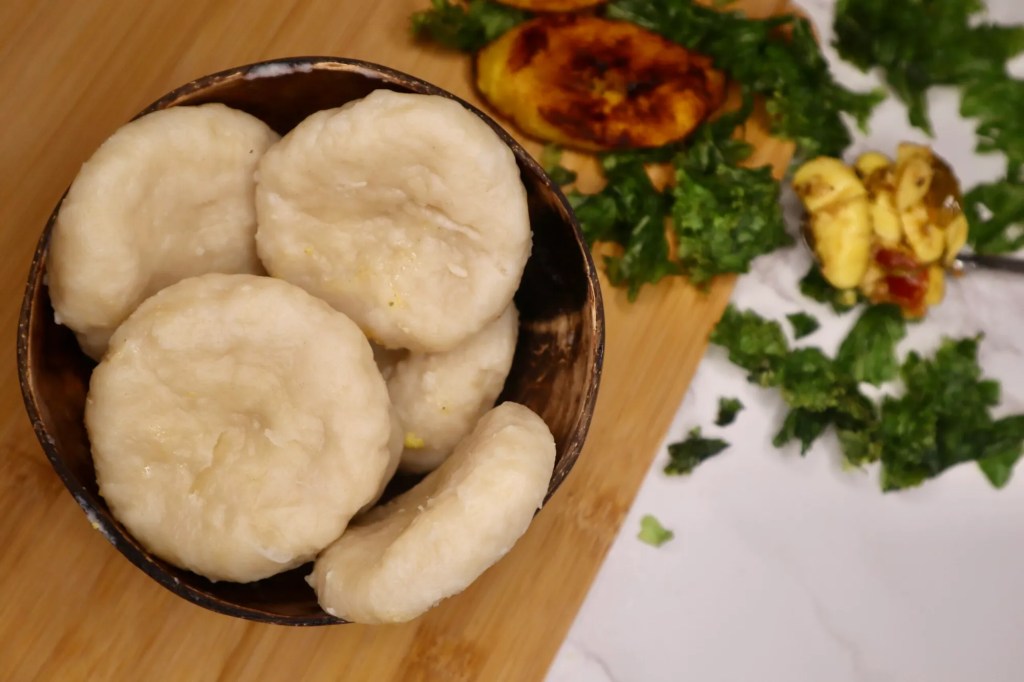
So, fried dumplings for breakfast, festivals for lunch—but what about dinner? This is the perfect time to introduce boiled dumplings. While they often appear at breakfast as well, especially at Jamaican cookshops, boiled dumplings are a versatile staple.
They are commonly cooked alongside ground provisions or green bananas but can also be prepared on their own. Boiled dumplings pair well with many main dishes, including those mentioned earlier, as well as steamed callaloo, steamed fish, stew pork, and even butter. They may be made with or without cornmeal; those made with cornmeal are known as cornmeal dumplings.
Boiled dumplings test skill not so much in dough preparation—though that does matter, depending on the desired tightness—but in shaping. They are expected to be round, flat, and especially neat. Anything less might earn you the reputation of not knowing how to knead flour properly.
4. Roti
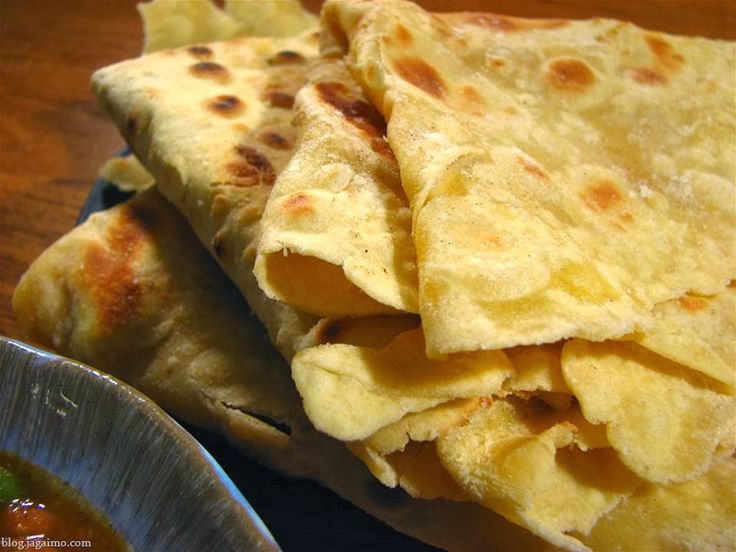
When Jamaicans say “Out of many, one people,” many ask, “How so?” The adaptation of roti into Jamaican cuisine provides a clear answer. Though roti is a well-known Indian dish, its place as a traditional Jamaican side dish reflects the multicultural roots of the cuisine.
Jamaicans have largely maintained the Indian tradition by pairing roti with curried meats such as curry goat or curry chicken, making it a beloved and enduring part of the food culture.
5. Fritters
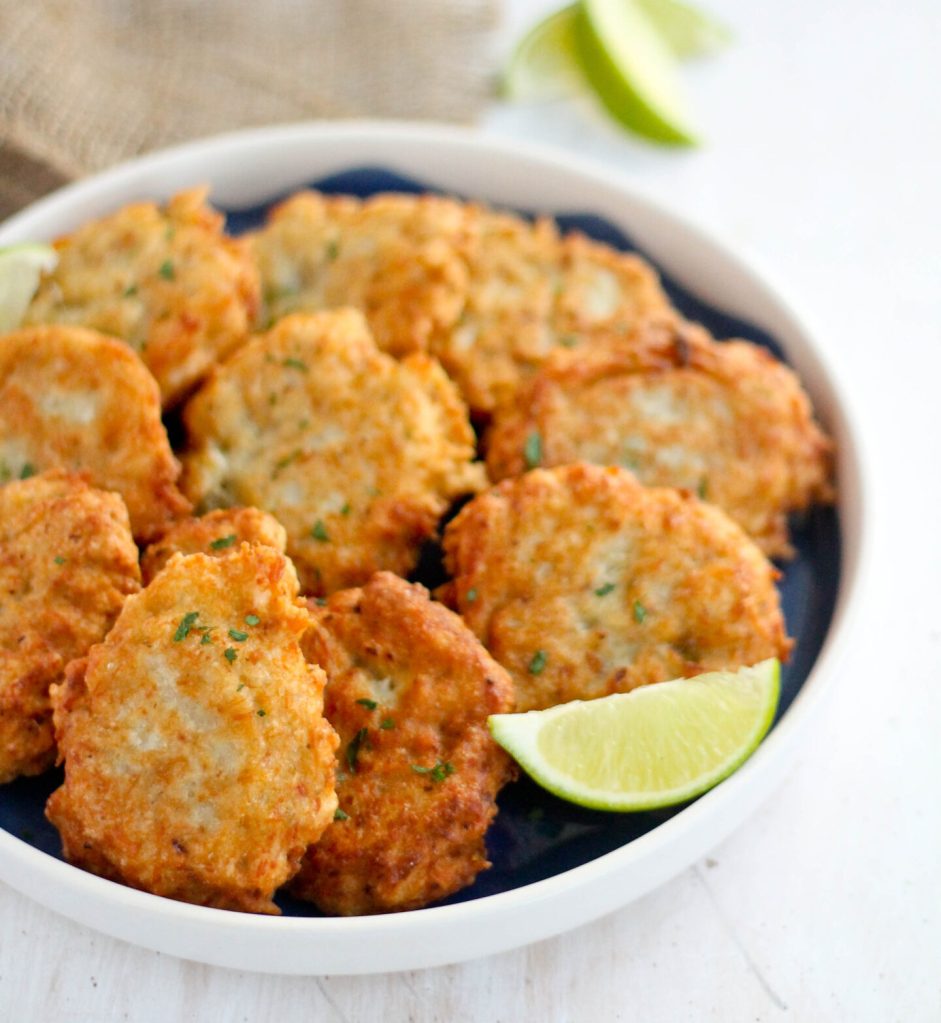
You’ve probably heard the term “water more than flour.” While it commonly describes inclement weather conditions in Jamaica, it also perfectly describes traditional Jamaican fritters—sometimes affectionately called “flitters,” and popularly known as “stamp and go.”
Fritters are a bit more jazzy than the other dishes mentioned, as they typically require additional seasoning such as black pepper, onions, scallions, and tomatoes. They are often made with boiled saltfish, giving rise to the popular saltfish fritters. Unlike the other dishes, fritters have a gooier interior due to the higher water content of the batter, similar to pancake batter, while still achieving a crispy exterior when fried.
Bonus: Spinners
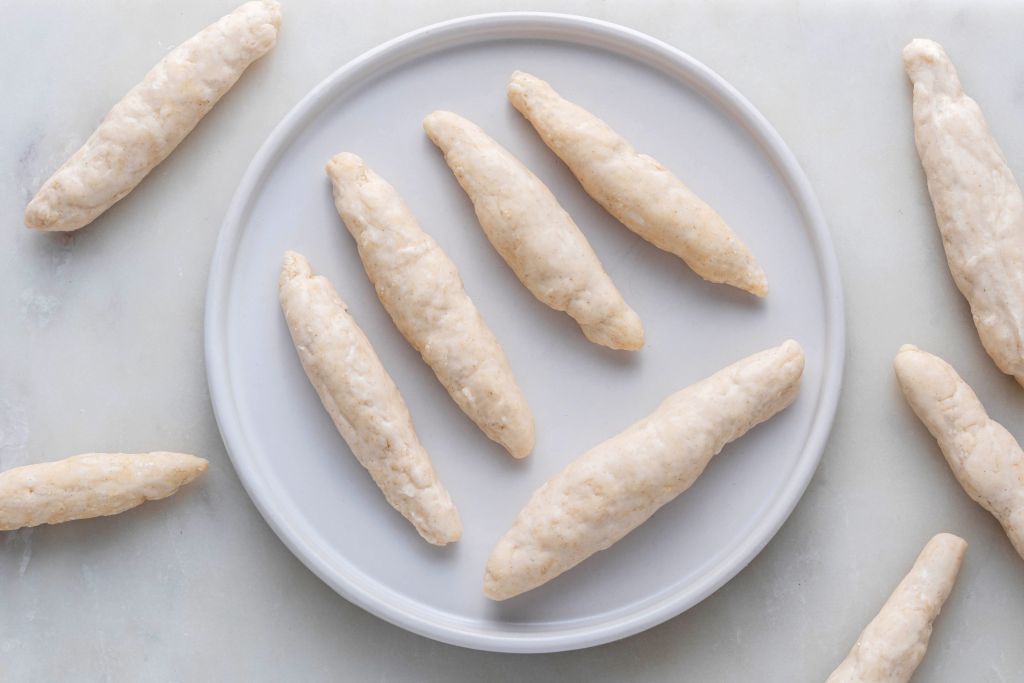
Spinners are essentially boiled dumplings, though they are used more as a garnish than a side dish. Shaped like smaller versions of festivals, they are rolled between the palms of the hands. Spinners are commonly added to soups such as chicken foot soup and stews like traditional stew peas, made with red beans or gungo peas.
While not technically a side dish, spinners hold deep sentimental value for many Jamaicans. Countless children have stood beside their mothers, proudly crafting their own often-misshapen versions, which were lovingly added to the pot. Being served your own spinner at dinner time was a small but meaningful joy—a pleasant surprise many remember fondly.
So, when a Jamaican says, “Me a go mek two flour,” it could mean a myriad of dishes, because versatility is second nature to us. Jamaicans are particularly sceptical about how their flour is prepared, placing great importance on clean hands and skilled technique. It may be hard to imagine flour being used to create something better than bread, but Jamaicans have mastered that art—and it shows in the Johnny cakes, the festivals, the roti, and so much more.
Written by K L Williams
Kerece Lilanie Williams is a poet and educator, and the author of three poetry collections published under the name Lilanie: Kisses and Lies, Above Water, and Faith and Favour: Odes of Gratitude for Unmerited Grace. She contributes her writing to Urban Vine Media, a creative initiative that fosters intellectual conversations around arts, culture, and entertainment in Jamaica and the diaspora.
She is also the founder of Write Ah Yaad, a vibrant writing community for Caribbean poets and storytellers, and the Chief “Copy Cat” behind MeowMedia Services, a platform helping creative entrepreneurs create and build their brands—because kats roar with MeowMedia.
 Urban Vine Media
Leave a comment