

The Lost Art of Lyricism
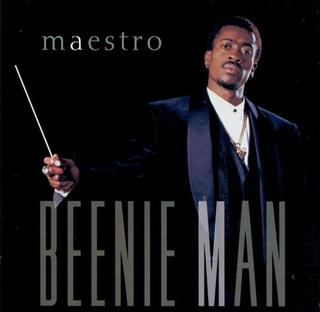
When Beenie Man said, “Gyal, I goin’ take mi chalk and mark up your blackboard,” everybody could sing along. Of course, the sentiment meant something entirely different to children than it did to older folks.
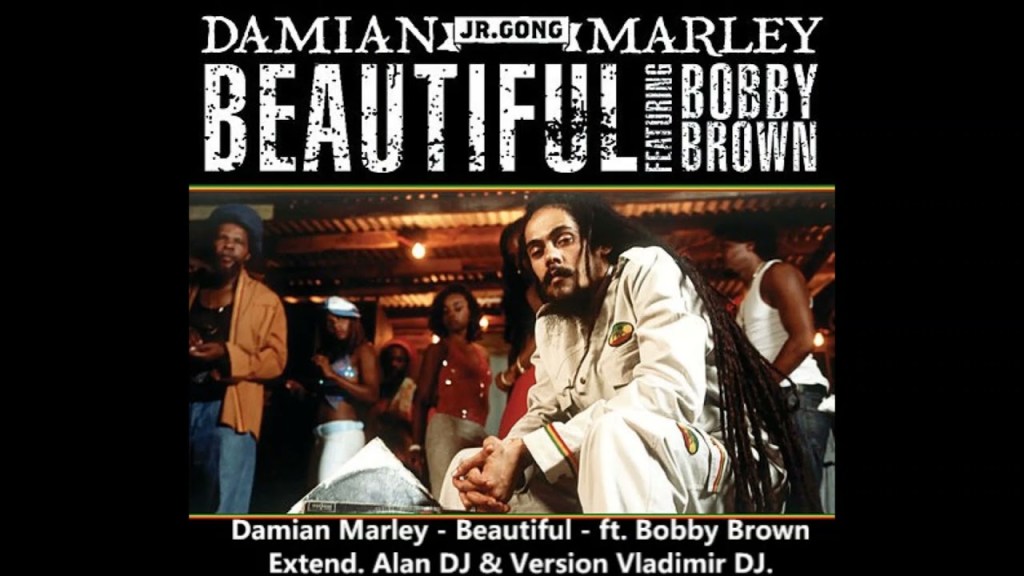
I recently replayed “Beautiful” by Damian Marley featuring Bobby Brown nearly ten times, lost in the lyricism of it all. I wondered how many people truly caught what he said: “run barefoot without no shoes and socks, cause she keep herself clean mi nah go catch no rash.” When that song was released, I was still in primary school. We were all fixated on how she “shampoos my locs.” It’s only now, with age and perspective, that I can fully understand the true tenor of it all.
The ability to suit lyrics—veil lewdness beneath clever wording—is a lost art in dancehall culture. We’ve reached a point where mystery, where leaving something to the imagination, is no longer deemed admirable or even necessary. And dare I say, this mirrors several other elements of modern-day Jamaica, but that is a separate conversation.
And nobody is saying there isn’t space for raw, utter sexuality—unmasked and untamed. There is. But when it consistently outshines and overshadows the clever, the obscure, the charming lyrics that once pulled curiosity, it leaves a lyricist like me with questions. When did we get to a point where we no longer appreciated absolute artistry?
Over the years, there have been conversations about Afrobeats becoming more commercial than dancehall and reggae, when Afrobeats itself is a derivative of the aforementioned. Yes, the argument can be that more money is being invested in Afrobeats. Yes, we can say people gravitate toward what feels shiny and new. But is that truly the case, or has dancehall lost a bit of its flavour?
Every song now needs a radio edit. Where are the writers who can say everything that needs to be said just once, where those who get it, get it, and those who don’t can just dance? That kind of writing feels scarce, like scotch bonnet pepper two weeks ago.
Maybe we’ve become so invested in dunce culture—spoken over dancehall like a curse—that artists and artistes no longer seek to incorporate intellect into their work? Where are the metaphors, the similes, the juxtapositions in the material we are presenting to the world?
The Bible says that in the last days, good will be called bad, and the abhorrent will be praised. I fear this is becoming true. The pedestalization of mediocrity has caused even some of the most talented artistes to stoop to the level of what appears most desired by immediate audiences. I see it. I hear it. It’s in the music being produced.
By whom, you may ask? This won’t be the time to call names.
I conclude with this: dunce will forever be denied in my book. Intellect will always be revered. Bring back the colour and the cadence to the music, and then we can talk about commercialisation. Let’s continue to build legacies. Let’s create punchlines that skip the queue on billboards.
It’s time to get back to the drawing board—or dare I say, back to the blackboard.
Written by K L Williams
Kerece Lilanie Williams is a poet and educator, and the author of three poetry collections published under the name Lilanie: Kisses and Lies, Above Water, and Faith and Favour: Odes of Gratitude for Unmerited Grace. She contributes her writing to Urban Vine Media, a creative initiative that fosters intellectual conversations around arts, culture, and entertainment in Jamaica and the diaspora.
She is also the founder of Write Ah Yaad, a vibrant writing community for Caribbean poets and storytellers, and the Chief “Copy Cat” behind MeowMedia Services, a platform helping creative entrepreneurs create and build their brands—because kats roar with MeowMedia.
 Urban Vine Media
Leave a comment