

Debunking the Myth of Perfection
I’m a big‑picture person. Working in communications changed that… a lot. At least, it did for a while. I remember one of my first interviews for a marketing communications agency, where I was asked to name my weakness. At the time, I didn’t know corporate entities required a slate of perfection to decide on a candidate. But in all honesty, I’ve never been ashamed of my weaknesses, because they’ve always been guided or overcome by my strengths. So I truthfully admitted that at times, I struggle with attention to detail.
I’d like to believe that being aware of your weakest point at 20 years old would be seen as a sign of strength—at least then you’d know I can complete tasks quickly, but might need time to review my work or get a second pair of eyes to catch errors. But I saw how the interviewer’s face changed upon learning that. Long story short: I didn’t get the job.
I quickly realised how that corner of communications and media prioritised perfection over aptitude, creativity, and substance. And as organizations have become less streamlined, demanding more skills from each person, we’ve seen a decline in the quality of output. Yes, all the i’s are dotted, and the t’s crossed. But it’s been widely noted that the value of articles—even those from established media houses—has faded. They still follow proper syntax and grammar, but often lack the tact and flavour that stir meaningful discussion, drive growth, or inspire change.
Now is a good time to admit I’ve strayed from my point. I haven’t done formal research on this. It’s nuanced, and gathering that kind of data would take real effort. But I’ve observed it—I’m chronically online, and I’ve seen countless comments where people condescendingly ask, “Who works at this media house?” “Who’s writing these articles?” It’s like because we have tile floors now, we think they don’t need polishing.
But that’s not the topic today.
That experience I had with the agency, and others like it, reshaped me. I started prioritising details over the big picture.
That led to something even more deadly: delay.
Focusing on every imperfection—fearing you’ll be critiqued for what you aren’t rather than what you are—can sharpen your skills but stunt your growth.
Imperfection, when paired with a strong sense of direction, is not a symbol of defeat. It doesn’t take away your ability to get things done. It just shows where you might need to put in extra effort, or where you could ask for help.
I say all this to say: nobody is perfect. In fact, I recently read a case study produced by that same organization a few years ago. Within the first two lines, I found grammatical errors. The very people who doubt your capabilities, who say you aren’t ready because of what you need to improve, are making the same mistakes.
So don’t wait until you’re perfect to start. Do it, and perfect it as you learn.
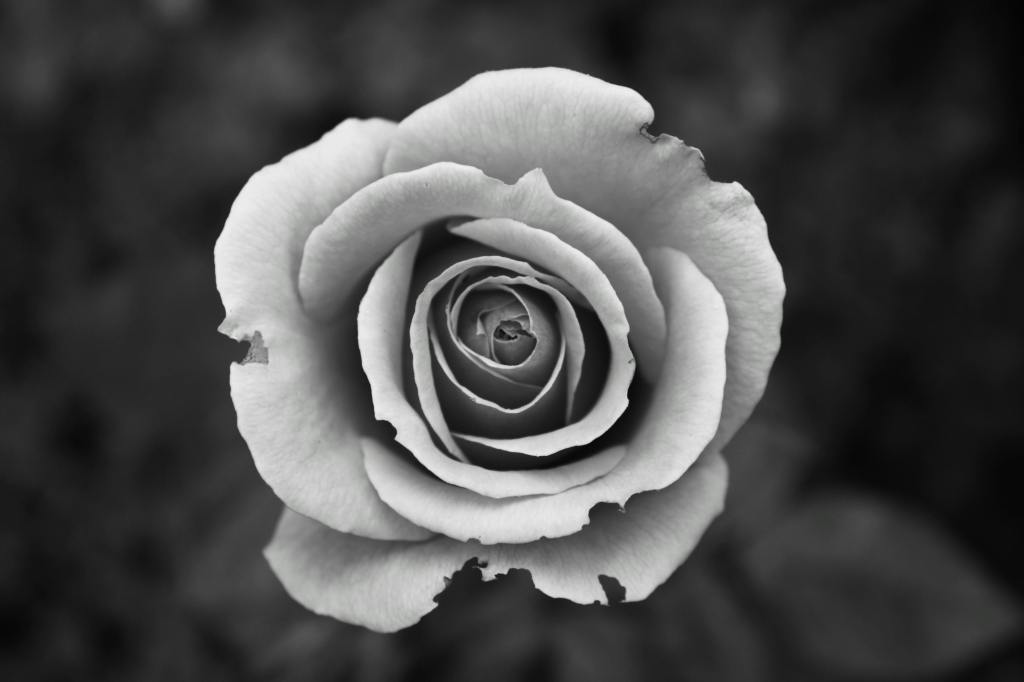
Just a few weeks ago, toward the end of 2025—a rather imperfect year—the term “Wabi‑Sabi” trended on social media. It gave people a chance to share the imperfect or unusual parts of themselves, and to reflect on how those flaws made them unique and interesting. Wabi‑Sabi literally means finding beauty in imperfection, impermanence, and authenticity.
As the rapper J. Cole once said,
“I keep my twisted grill, just to show the kids it’s real / We ain’t picture perfect, but we’re worth the picture still.”
Your stride toward perfection can wait.
Your work can’t.
Share it. We’ll fix it along the way.
Written by K L Williams
Kerece Lilanie Williams is a poet and educator, and the author of three poetry collections published under the name Lilanie: Kisses and Lies, Above Water, and Faith and Favour: Odes of Gratitude for Unmerited Grace. She contributes her writing to Urban Vine Media, a creative initiative that fosters intellectual conversations around arts, culture, and entertainment in Jamaica and the diaspora.
She is also the founder of Write Ah Yaad, a vibrant writing community for Caribbean poets and storytellers, and the Chief “Copy Cat” behind MeowMedia Services, a platform helping creative entrepreneurs create and build their brands—because kats roar with MeowMedia.
 Urban Vine Media
Leave a comment