

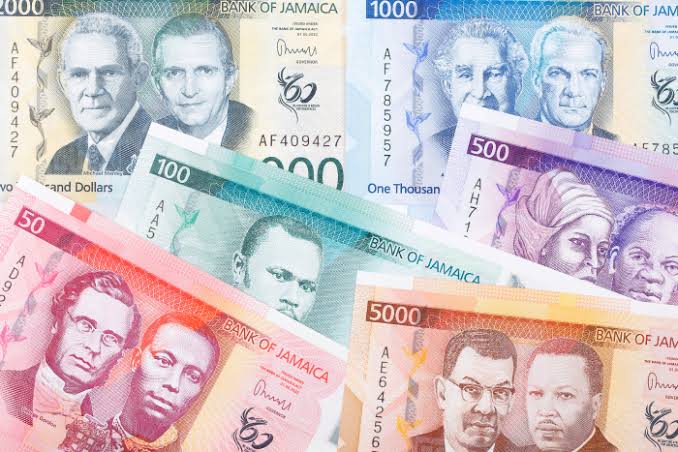
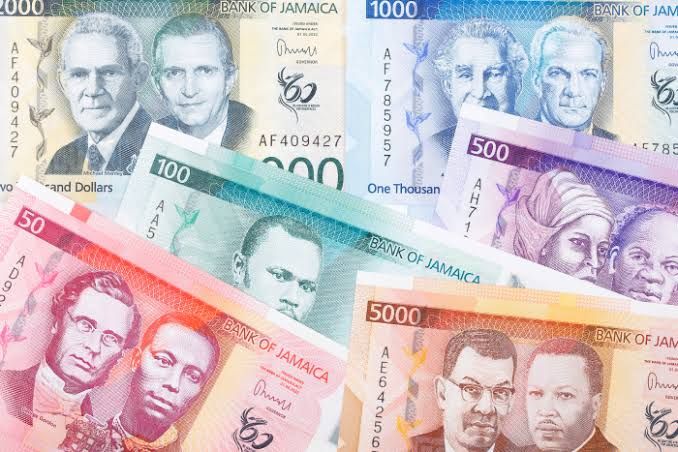
We are living in unprecedented times. Historic events have followed historic events, back to back to back, all in less than a decade, leaving developing economies with little to no time to recover. And yes, conversations continue to focus on the GDP of a country, but we have failed to zero in on how a struggling economy truly affects creative businesses.
So think about it: if you are looking for an article of clothing to wear, it makes more sense, from the perspective of the average person who is struggling financially, to buy an item from Shein or the “Chiney man” rather than to support a local fashion designer.
When people are merely surviving, their focus is on getting the things they need rather than the things they want. Not only that, they will opt for the cheapest and most easily accessible versions of those needs as a means of conserving what little they have, especially since heightened anxiety places people in a space where they are far more unwilling to take financial risks.
In simpler terms, creative entrepreneurs are dependent on people having disposable income. If citizens are earning only enough to survive, it becomes harder for them to commit to paying for a party, a painting, or a book from a local author.
For that reason, creative entrepreneurs—artists, artistes, and artisans—are heavily dependent on tourism, especially in Jamaica. But when a country is hit with a Category 5 hurricane that dismantles the entire tourism product, who is left to support creative businesses?
In Jamaica, we also have a very active social culture that is heavily reliant on funding for participation. In an attempt not to be left out, this often leads people into crime and dishonesty (for example, bailing out on a “pardner”) just to participate in social life.
It is deeply unfortunate that, in order for most creative businesses to receive adequate funding and income, they are forced to meet the demands of external sources. Locals are often unable to enjoy their own culture and the creative production of other local people simply because the average person cannot afford it.
The greater consequence of this is that many people with creative ability are left with no option other than to enter the traditional workforce, because the quality of life they expect to achieve through creativity seems poor or difficult to attain. A better life in music, art, and drama feels increasingly out of reach.
When the average person—those who are traditionally employed—is not adequately financially endowed, every crack and cranny of the economy suffers. Every part. Especially creative people, who depend on both other creatives and traditionally employed individuals to attend their functions, buy their art, and support their growth.
Everybody needs pocket money. When people are working only to survive, the creative economy cannot survive—much less thrive.
Written by K L Williams
Kerece Lilanie Williams is a poet and educator, and the author of three poetry collections published under the name Lilanie: Kisses and Lies, Above Water, and Faith and Favour: Odes of Gratitude for Unmerited Grace. She contributes her writing to Urban Vine Media, a creative initiative that fosters intellectual conversations around arts, culture, and entertainment in Jamaica and the diaspora.
She is also the founder of Write Ah Yaad, a vibrant writing community for Caribbean poets and storytellers, and the Chief “Copy Cat” behind MeowMedia Services, a platform helping creative entrepreneurs create and build their brands—because kats roar with MeowMedia.
 Urban Vine Media
Leave a comment