

On September 3, 2025, Jamaica will face one of the most decisive general elections in its modern history. For decades, our island has been caught in a tug-of-war between the Jamaica Labour Party (JLP) and the People’s National Party (PNP), each promising transformation, but often leaving citizens waiting for dreams that never arrive. Too many Jamaicans have been left disillusioned, convinced that promises are made not to be kept but to be recycled every five years.
This time, however, the stakes feel different. The world is watching as Jamaica contemplates becoming a republic, struggling with crime and corruption, grappling with economic uncertainty, and searching for leaders who can deliver more than speeches.
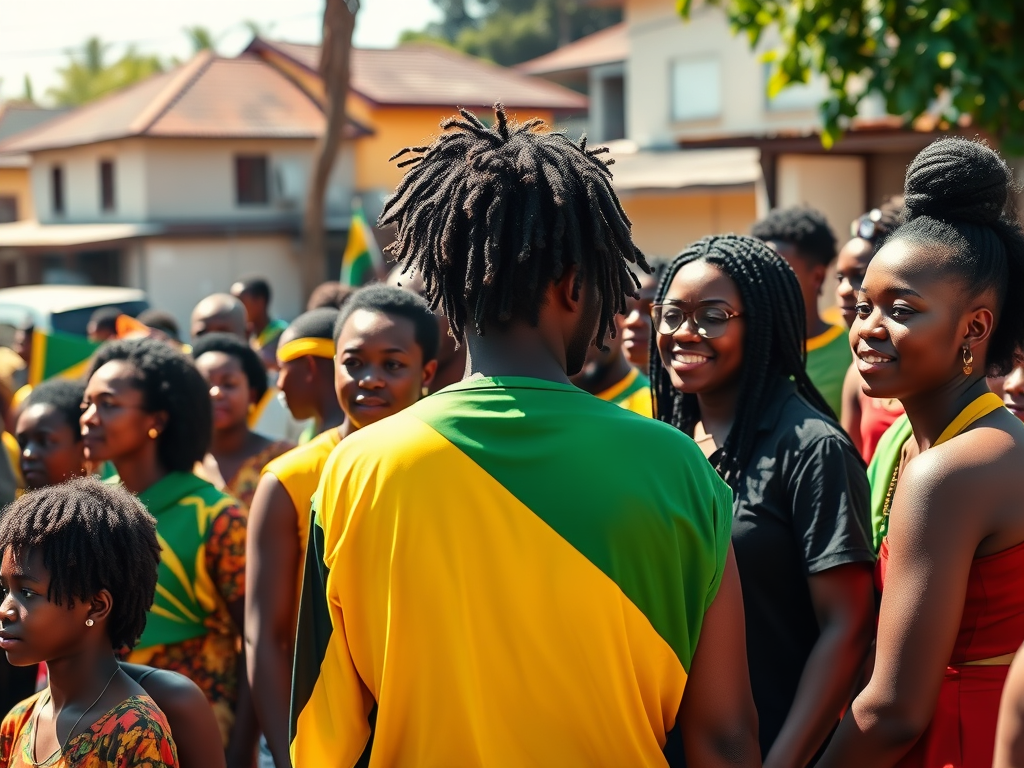
In this moment, the call to Jamaicans is clear: dress your heart with country pride, not party lines.
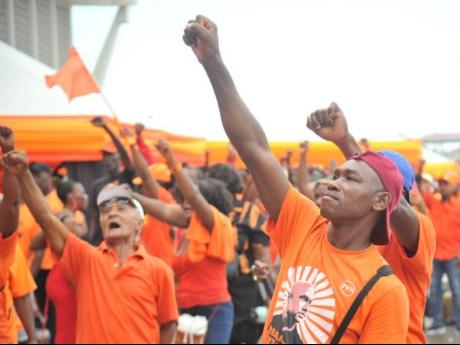
Political colors green or orange must not blind us from truth, progress, or accountability. Jamaica’s destiny is bigger than any politician’s campaign. The 2025 election is not about choosing which party’s flag will wave in Gordon House. It is about determining whether Jamaica will finally step into a future built on integrity, accountability, and national pride.

The administration of Prime Minister Andrew Holness, in power for much of the past decade, began with hope. In 2016, Holness promised bold reforms: economic growth at 5% per year, a housing revolution, fixed election dates, term limits for politicians, energy independence, and even the transformation of Portmore into a “Silicon Valley of the Caribbean.”
Yet as Jamaicans walk into the 2025 election, many of those promises echo like empty slogans.
1. Housing Promises Deferred
The JLP pledged to build 70,000 houses in five years, a bold target that stirred hope among working-class families. Yet years later, Jamaicans are still waiting. In Parnassus, plans for 720 housing units remain unfulfilled. Families who expected keys in hand instead face rising rent, crowded homes, and the reality that campaign promises cannot put a roof over their heads.
2. Symbolic Gestures Left Unfinished
In Trelawny, residents recall promises to build a statue of Usain Bolt in Falmouth’s Water Square. Bolt Jamaica’s lightning legend is celebrated worldwide, but the promise made in 2019 remains unrealized. Instead, the square stands as a silent monument to political neglect.
3. Infrastructure Stalled
Communities were promised roads, markets, and public services. Yet the Clark’s Town to Duncans road is still riddled with potholes, the Albert George Market restoration has stalled, and the Wakefield Post Office remains shuttered. In Ulster Spring, the fire station promised to safeguard lives has not been built.
For rural Jamaicans, these broken promises are not abstract they are the difference between livelihoods protected or lost.
4. Unmet Economic Growth Goals
The administration set bold targets for economic growth “5 in 4” (5% growth in four years). Instead, growth has hovered at 1–2%, far below expectations. While macroeconomic stability improved, ordinary Jamaicans ask: stability for whom?
The average citizen still battles high food prices, job insecurity, and the pressure of an economy that seems to benefit the few rather than the many.
5. Governance Without Reform
Promises of fixed election dates and term limits for Members of Parliament remain unkept. These reforms were supposed to restore trust in politics by ensuring no leader overstayed their welcome and no party played games with election timing. Instead, Jamaicans continue under a system where rules bend at the convenience of those in power.
6. Crime and Security: A Mixed Report
The Holness government leaned heavily on Zones of Special Operations (ZOSO) and states of emergency to tackle violent crime. While some communities saw reductions, the national homicide rate remains among the highest in the world. Critics argue that military-style policing offers temporary calm but no permanent peace, leaving residents caught between fear of criminals and distrust of the state.
The Cost of Broken Promises: Eroding Trust in Politics
Every unfulfilled promise chips away at the bond between government and people. Jamaicans have grown weary of hearing grand plans at election time, only to watch them fade into silence once ballots are counted.
The result is a dangerous cycle: apathy grows, fewer citizens vote, and political parties win with shrinking mandates. Meanwhile, politicians interpret low voter turnout as disengagement, rather than anger.
But Jamaicans must not withdraw. Instead, we must demand more—from every party, from every candidate. Democracy thrives only when citizens hold leaders accountable.
For too long, Jamaica’s politics has been framed as a two-party showdown: green versus orange, JLP versus PNP. This binary has created generations of Jamaicans who inherit party loyalty like family heirlooms.
But blind loyalty is dangerous. When citizens vote by color instead of conscience, politicians have no incentive to deliver. After all, why work hard to keep promises if votes are guaranteed by tradition, not performance?
In 2025, Jamaicans must reject this trap. Our loyalty must be to Jamaica first. Our hearts must wear the colors of the black, green, and gold, not just green or orange.
This is not the first time Jamaicans have faced broken promises. History offers reminders:
- 1970s: Michael Manley promised a “better must come,” delivering bold social programs but also leaving behind debt and economic strain.
- 1980s: Edward Seaga promised stability under U.S.-aligned policies, but structural adjustments deepened inequality.
- 1990s–2000s: PNP governments pledged modernization, yet corruption scandals eroded trust.
- 2010s: JLP and PNP alike made commitments around crime reduction and transparency, yet crime and corruption remained persistent.
The cycle repeats itself because Jamaicans too often accept speeches as progress.
For Jamaicans heading to the polls, the following questions must take center stage:
1. Economic Growth That Reaches People
GDP statistics mean little if families can’t afford groceries. Jamaicans must demand policies that address income inequality, expand job creation, and reduce reliance on remittances.
2. Housing for All
Housing is not just a campaign slogan—it is a human right. Politicians must show concrete blueprints, budgets, and timelines. “Trust us” is not enough anymore.
3. Crime Reduction With Human Rights
Jamaicans want safer communities, but not at the cost of civil liberties. We need community policing, rehabilitation programs, and youth opportunities, not just soldiers on street corners.
4. Transparency and Anti-Corruption
Campaign finance reform, stronger Integrity Commission powers, and strict penalties for corruption must be non-negotiable.
5. Education and Youth Empowerment
Our young people are Jamaica’s greatest asset. Yet too many classrooms lack resources, and too many youths face unemployment. The future depends on investment in education, skills training, and innovation.
6. Becoming a Republic
Jamaica is on the path to removing the British monarchy and embracing full sovereignty. But citizens must ensure that this change is not just symbolic, but accompanied by deeper reforms constitutional, social, and economic.
Why “Country First” Matters More Than Ever
The 2025 election must be different. Jamaicans must vote not out of party loyalty, but out of a sense of country pride.
- A vote should be cast for leaders who deliver results, not just talk.
- A vote should reward integrity and accountability, not tradition.
- A vote should reflect Jamaica’s best interests, not personal allegiance to a party color.
This is the essence of dressing our hearts with black, green, and gold.
Jamaica’s future cannot be secured by one party alone. It requires:
- Active citizens who hold leaders accountable.
- Independent institutions free from political manipulation.
- Community-based solutions where residents are part of policymaking.
- A new generation of leaders who rise above party colors and put Jamaica first.
On September 3, 2025, Jamaicans will enter polling stations across the island. The choice is not just between JLP and PNP. It is between repeating cycles of broken promises or demanding accountability and change.
The call to every voter is clear: Love Jamaica more than you love a party.
Dress your heart with country pride, not party lines. Let your vote be for a better Jamaica not for speeches, colors, or recycled promises.
Because in the end, governments will come and go, but Jamaica remains. And Jamaica deserves leaders worthy of her people.
 Urban Vine Media
Leave a comment