

Three names dominate the conversation: Spice. Shenseea. Jada Kingdom.
Icons in their own right—but beyond them, the stage feels almost empty.
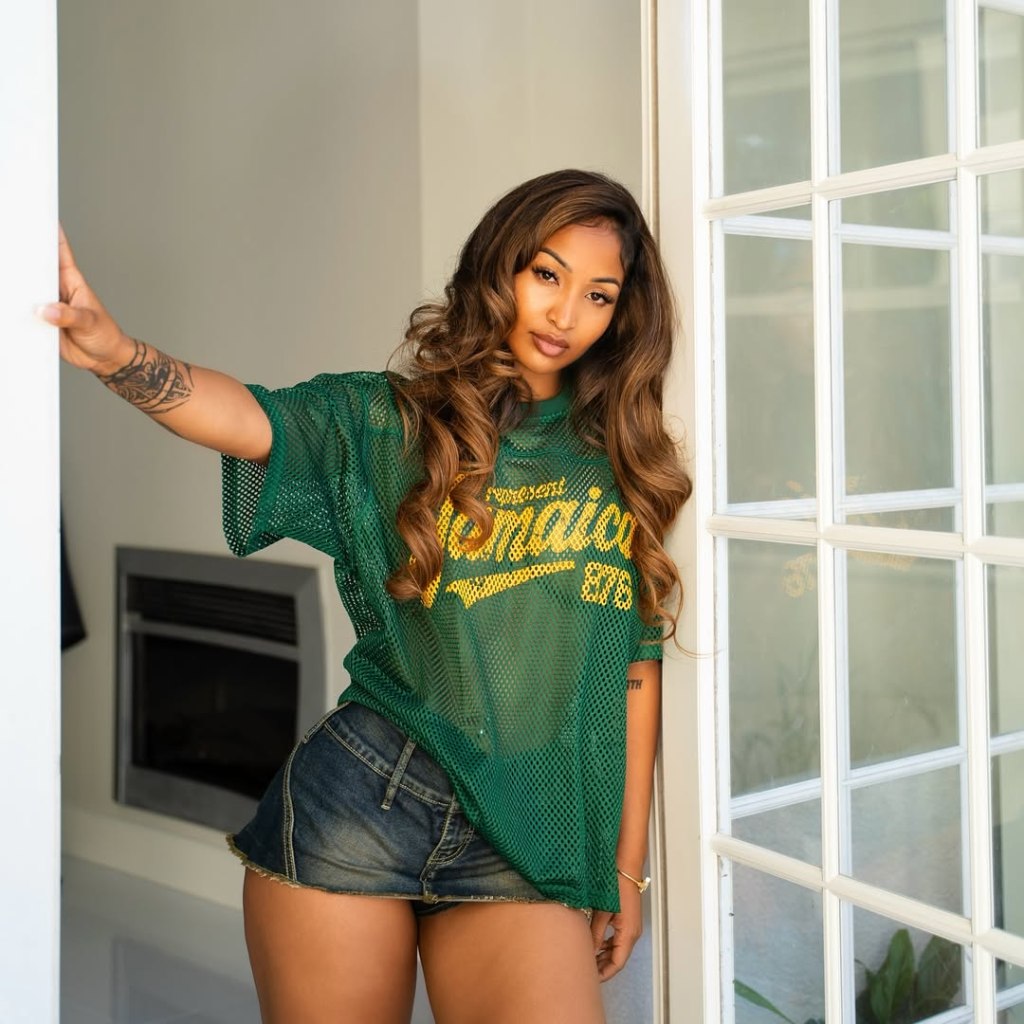
Spice’s role in Love & Hip Hop has some wondering if the “Queen of Dancehall” has attached herself to a brand that feels beneath her crown. Shenseea’s Jamaican voice has returned—perhaps spurred by the lukewarm sales of her last album after her pivot to pop. Her recent collaboration with Mariah Carey and Kehlani was sweet, but after that pop detour, rebuilding trust with her core audience will take time.
And then there’s Jada Kingdom—Ms. Mumma Heavy, Ms. Twinkle. Rvssian is still waiting for her to jump on the StoryBook riddim, while fans continue to wait for more consistency and a stronger stage presence.


These women reign, yes. But they reign few among the multitudes of men dominating Dancehall. There are talented up-and-comers—Sp!da, Moyann, and Stalk Ashley (still threading hot water after her take on the StoryBook riddim)—but they are exceptions, not the rule.
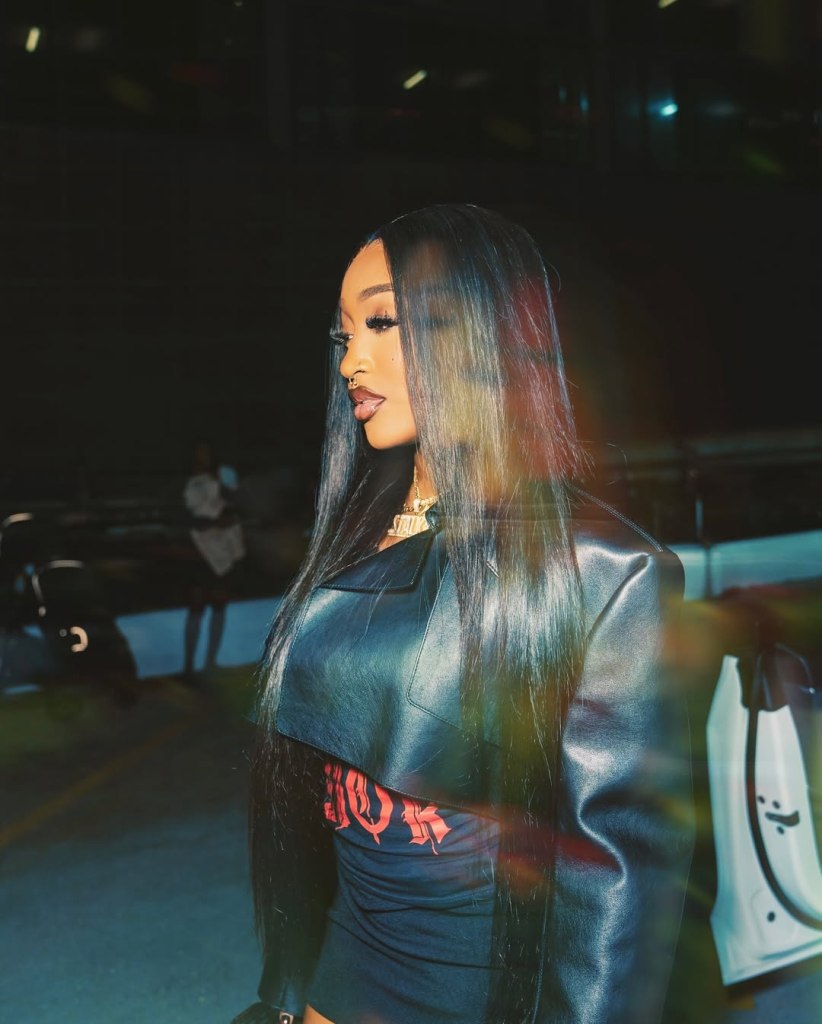
And that’s part of the problem.
When Valiant put out the call for women to jump on the StoryBook riddim, the response was slow—trickling in, one by one, instead of the kind of flood you’d expect if the female presence in Dancehall was strong and thriving.
So… where are the women?
In school, the majority of students who studied poetry and literature were women—training that sharpens language, rhythm, and storytelling, the very skills that drive Dancehall songwriting. Jamaica clearly has no shortage of women with the creative tools to thrive as artistes. So why aren’t more of them on the big stages?
Some whisper about diva personalities and “maintenance” that comes with female artistes—but that cannot be the only thing. Is Dancehall even a safe space for women?
We’ve seen how Rvssian publicly shaded Stalk Ashley, calling her a “Temu Jada Kingdom” after her take on the StoryBook riddim. It begs the question: are the women really the only divas in the room?
Partygoers constantly complain about the lack of “gyal songs,” and men in the industry rarely create them anymore. The truth is, we need women in Dancehall—not only for balance but to meet the needs of the female audience.
But if our leading women are distracted and the upcoming ones are battered by criticism and exploitation, the pipeline will stay thin. Industry players—especially men—must be more protective and less exploitative. Think about the culture, think about brand Jamaica, not just the proximity to “fresh meat” every time a new female artiste arrives.
Dancehall needs its women.
Beauty. Femininity. Lyrical fire. Energy that softens the rough edges and counters the violence too often linked with the men.
So I’ll ask again—where are the women?

 Urban Vine Media
Leave a comment