


For over three decades, Reggae Sumfest has been the jewel of Jamaica’s entertainment crown. Born in 1993, it has grown into an annual pilgrimage for reggae and dancehall lovers worldwide, drawing tourists, music enthusiasts, and cultural ambassadors to Montego Bay every July.
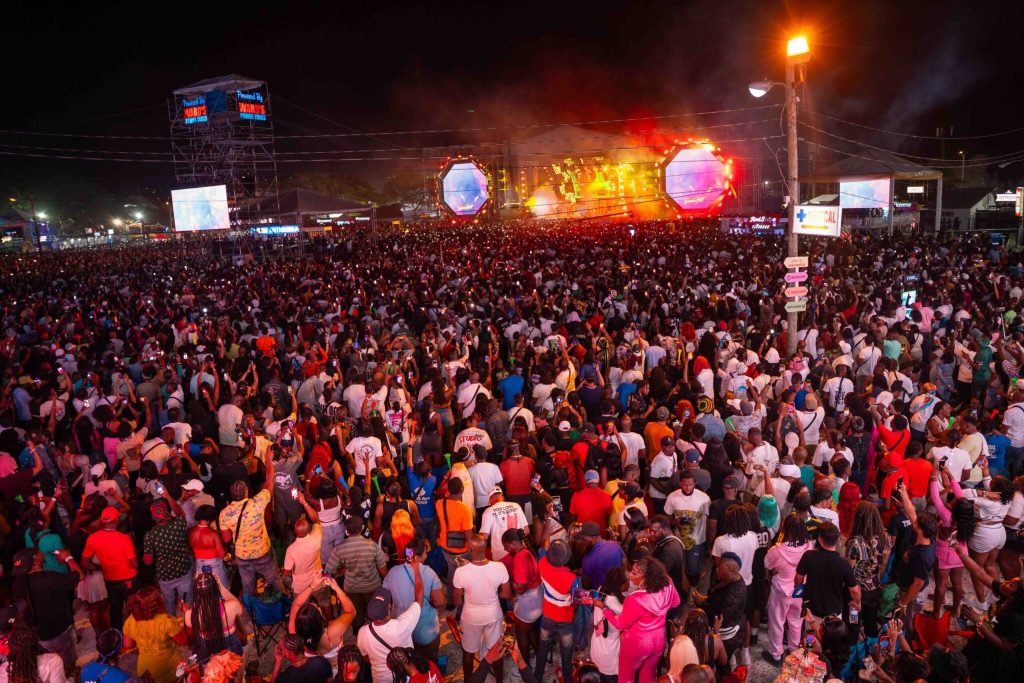
Sumfest has always promised more than just music—it’s a celebration of Jamaica’s identity, showcasing the island’s food, art, dance, and increasingly, fashion. The stage, historically, has doubled as a runway, where artists flaunt vibrant outfits, setting trends for Caribbean streetwear and global dancehall couture.
In recent years, Sumfest introduced dedicated fashion showcases like “The Althea Show,” positioning itself as a cultural event where music and fashion intersect. Jamaican designers have described Sumfest as “the Caribbean’s Coachella,” a place where what you wear is nearly as important as what you perform.
Which is why this year’s fashion disappointment has sparked such an uproar.
Weeks before the festival, anticipation was high. Sumfest’s social media teased “a new wave of Caribbean fashion on the global stage.” Designers from Kingston to Montego Bay boasted about sending collections down the runway. Fans expected to see vibrant prints, daring cuts, and fashion-forward statements inspired by reggae and dancehall’s bold aesthetics.
“We thought we were going to witness something unforgettable,” said Aisha Thompson, a Kingston-based fashion blogger who has attended Sumfest for seven consecutive years. “People flew in expecting to be wowed—not just by the artists, but by a cultural fashion explosion.”
The stage was set for success. But by the festival’s end, the verdict was brutal: the fashion show flopped.
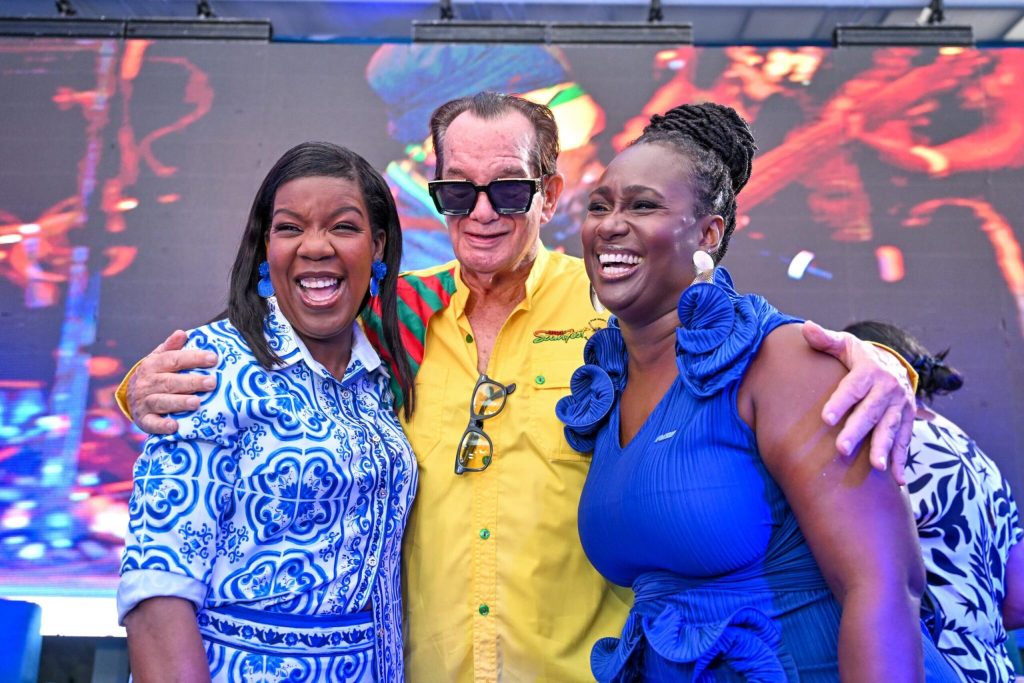
The fashion show was scheduled late on Night 1, after Masicka and Vybz Kartel’s tribute segment had electrified the crowd. By the time the first models hit the stage, many fans had already left or were mentally checked out.
“Who in their right mind puts a runway after the headliners?” complained Damion Reid, a local event planner. “By then, the crowd is tired, sweaty, and just wants to dance.”
The poor timing made the show feel like an afterthought, a filler segment rather than a key attraction.
Attendees reported no cohesive theme—each designer seemed to be doing their own thing, with no visual narrative connecting the collections.
“It felt like a high school fashion show, not a festival that calls itself the biggest in the Caribbean,” said Aisha. “The models were beautiful, but the styling looked rushed. Some outfits didn’t even seem finished.”
Sumfest has always blurred the line between performance costumes and fashion statements. This year, however, the artist’s stage looks and runway collections felt disconnected. Fans expected artists’ outfits to tie into the runway pieces—maybe even see stars walking with the models. Instead, artists stuck to their usual stagewear, and the fashion show felt like it belonged to a completely different event.
Midway through the show, lighting issues caused awkward pauses. Several models shuffled onto the stage off-cue, and at least one tripped when the stage crew mishandled props.
“It wasn’t the designers’ fault entirely,” said Andre Campbell, a Kingston-based stylist who dressed backup dancers for Night 2. “You can’t do a proper fashion show with bad stage management. Sumfest is great at music, but fashion production is another beast.”
The backlash was swift and relentless.
On TikTok, a viral clip featured a young woman fuming:
“I’m disgusted by how things were handled… I flew in for this, and THIS is the fashion? Unacceptable.”
An Instagram Reel captioned “Fashion Drip? More like Fashion Rass” racked up thousands of likes, with commenters piling on:
- “Where’s the creativity? This is Jamaica, not some cheap knockoff show.”
- “The artists looked better in their performances than these models did on the runway.”
Even mainstream music outlets noted the discrepancy between stellar performances and underwhelming fashion. Reggae artist Lila Ike, who stunned in a custom green silk jumpsuit during her set, drew praise, while runway models received scorn for “uninspired” collections.
To understand the failure, we spoke to fashion insiders who analyzed the flop:
• Lack of Collaboration with Artists
Carla Sinclair, a Jamaican fashion consultant, stressed that Sumfest missed a key opportunity:
“Music festivals today are about synergy—look at Coachella, where designer-artist collaborations create viral moments. At Sumfest, designers and artists were working in silos. That’s why nothing felt connected.”
• Inexperienced Production Team
According to Andre Campbell, the festival used the same stage crew for both music and fashion:
“Fashion requires different expertise. You need precision, lighting focus, and choreography. They treated it like a music intermission.”
• Overpromising, Underdelivering
Sumfest’s marketing hyped a “revolutionary” fashion experience but failed to deliver. Aisha summarized it best:
“If you say it’s going to be Coachella-level, don’t give us a parish talent show.”
Fashion isn’t just decoration at reggae festivals—it’s a cultural statement. Dancehall and reggae fashion have historically set global trends, from mesh merinos to blinged-out dancehall diva looks. Jamaican fashion is bold, unapologetic, and globally influential.
When Sumfest fails to showcase that creativity, it risks undermining Jamaica’s cultural brand.
“Reggae Sumfest has the power to make Caribbean designers household names,” says Carla. “But this year was a missed chance to push our fashion into the global spotlight.”
Despite the fashion flop, Sumfest 2025 was musically outstanding.
Night 1 Highlights:
- Masicka delivered a fire set, cementing his status as dancehall’s current king.
- A Vybz Kartel tribute had the crowd roaring, proving the Gaza boss’s enduring influence.
Night 2 Highlights:
- Toni Braxton headlined with sultry vocals, surprising fans with a reggae twist on her classic hits.
- Protoje and Tarrus Riley brought roots reggae vibes, while Lila Ike showcased future reggae soul.
The contrast between these polished performances and the sloppy fashion presentation only made the latter’s failure more glaring.
Experts and fans offered suggestions:
Sync Artists & Designers – Headline performers should collaborate with designers, debuting custom looks on both stage and runway.
Better Scheduling – Place fashion at a high-energy point, not after major headliners.
Invest in Proper Production – Hire fashion event specialists with experience in runway choreography.
Create a Theme – Build excitement with a unifying theme (e.g., “Reggae Royalty,” “Dancehall Future”) to tie the collections together.
Pre-Event Buzz – Showcase designers on social media beforehand, building hype like they do for the music acts.
Reggae Sumfest 2025 will be remembered as a musical triumph but a fashion failure. Fans left with incredible memories of live performances but disappointment that Jamaica’s biggest cultural stage couldn’t deliver a fashion showcase worthy of its name.
Still, the potential remains. With proper planning, Sumfest could become not just the biggest reggae festival in the world, but a global Caribbean fashion powerhouse.
As Aisha Thompson put it:
“Jamaica has too much style to let this happen again. Sumfest 2026 better come ready to slay.”
 Urban Vine Media
Leave a comment