

By: Dwayne Hinds
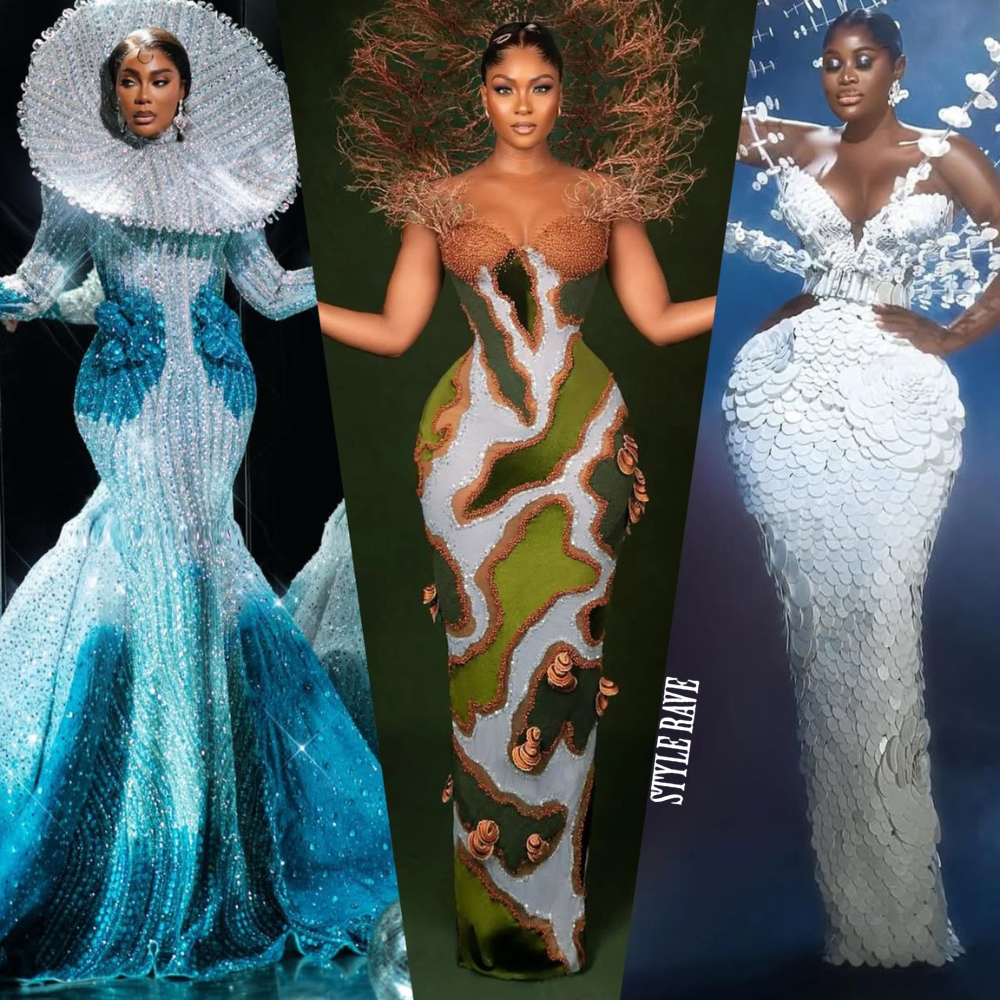
If there’s one night where fashion, film, and cultural pride collide in Africa, it’s the Africa Magic Viewers’ Choice Awards (AMVCA). Since its debut in 2013, the AMVCA has transcended its role as a mere award show for actors, filmmakers, and creatives. It has become Africa’s fashion mecca, a dazzling stage where red-carpet looks often rival (and sometimes surpass) those seen at the Oscars or even the Met Gala.
The AMVCA red carpet is no longer just a backdrop for interviews—it has evolved into a living runway, a visual spectacle where African designers push the boundaries of art and culture through fabric, texture, and innovation.
Every year, Lagos transforms into a fashion capital as stars, designers, stylists, and influencers descend on the city for the Africa Magic Viewers’ Choice Awards (AMVCA). It celebration of film and television excellence has evolved into something even greater: a runway of dreams, a celebration of Black creativity, and a powerful statement that Africa belongs at the center of the global fashion conversation.
Fashion critics now refer to the AMVCA as “Africa’s Met Gala”, and for good reason. The red carpet is no longer a backdrop; it’s the event. It’s where African designers push boundaries of storytelling through couture, and where every bead, fold, and silhouette represents history, identity, and innovation.
As Nigerian fashion commentator Bola Alade famously said:
“The AMVCA red carpet is not just about beauty; it’s a visual manifesto of Africa’s pride. We are saying to the world—our fabrics are art, our style is culture, and our designers are here to dominate.”
This is not just about celebrities posing for photos. This is about Africa telling its own story through fashion—and the world paying attention.
In the global fashion ecosystem, Europe has Paris Fashion Week, America has New York Fashion Week, and Asia has Seoul Fashion Week. But Africa now has the AMVCA a red carpet that rivals traditional runways in setting trends.
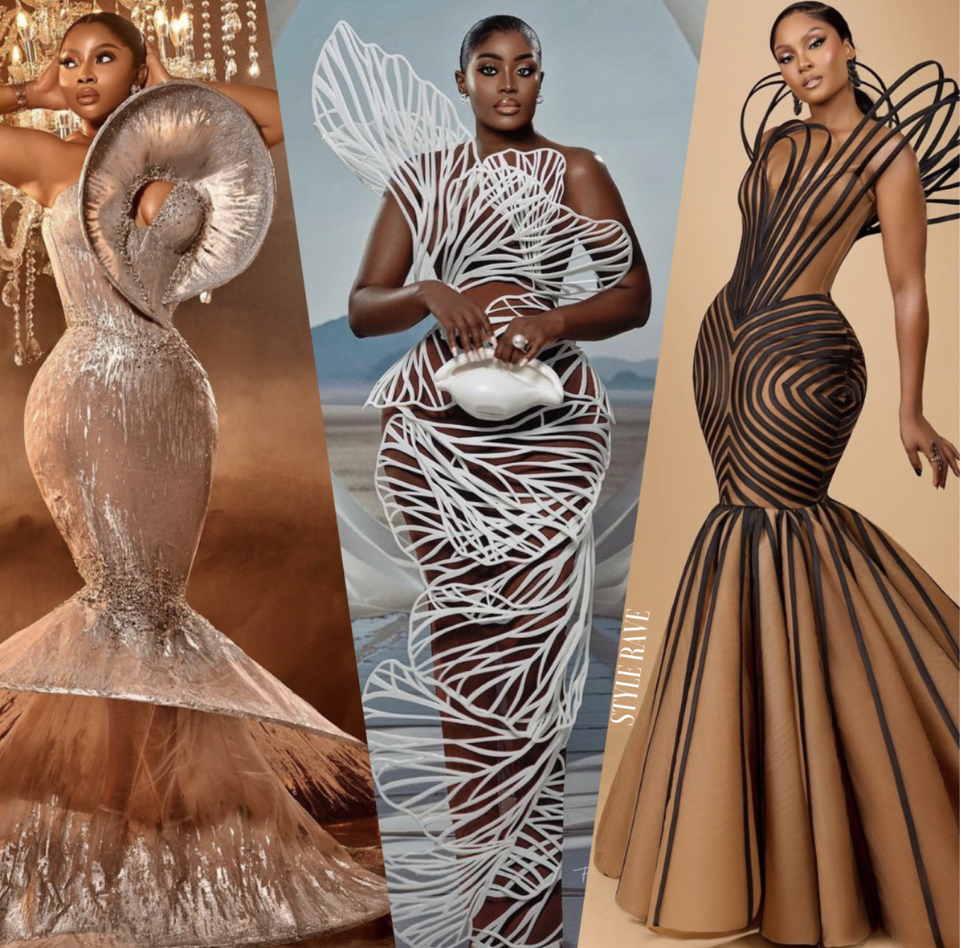
When an actress like Funke Akindele glides onto the carpet in a stunning VeeKee James satin gown, or Nana Akua Addo debuts a futuristic sculptural creation by Metalbenderstudio, it sends a message: African fashion is not just participating in the global conversation it’s leading it.

Nana Akua Addo in her sculptural gown at the 2025 AMVCA
Every bead, every embroidery stitch, every dramatic fold of fabric whispers a story. Whether it’s Nigeria’s aso-oke fabric, Ghana’s kente-inspired gowns, or South Africa’s experimental beadwork, AMVCA red-carpet fashion is deeply rooted in cultural symbolism. Designers are not just creating gowns; they are crafting wearable history books.
While hundreds of stylists and designers work tirelessly behind the scenes, a few names consistently dominate headlines at the AMVCA:
VeeKee James – The Queen of Sculpted Glamour
VeeKee James has become a household name, beloved for her figure-hugging, dramatic gowns. Her work with stars like Osas Ighodaro, Toke Makinwa, and Funke Akindele has cemented her status as Africa’s answer to Versace.
Her signature? Exaggerated silhouettes, precise corsetry, and unapologetic drama. Her gowns look like they were designed for modern-day African queens.
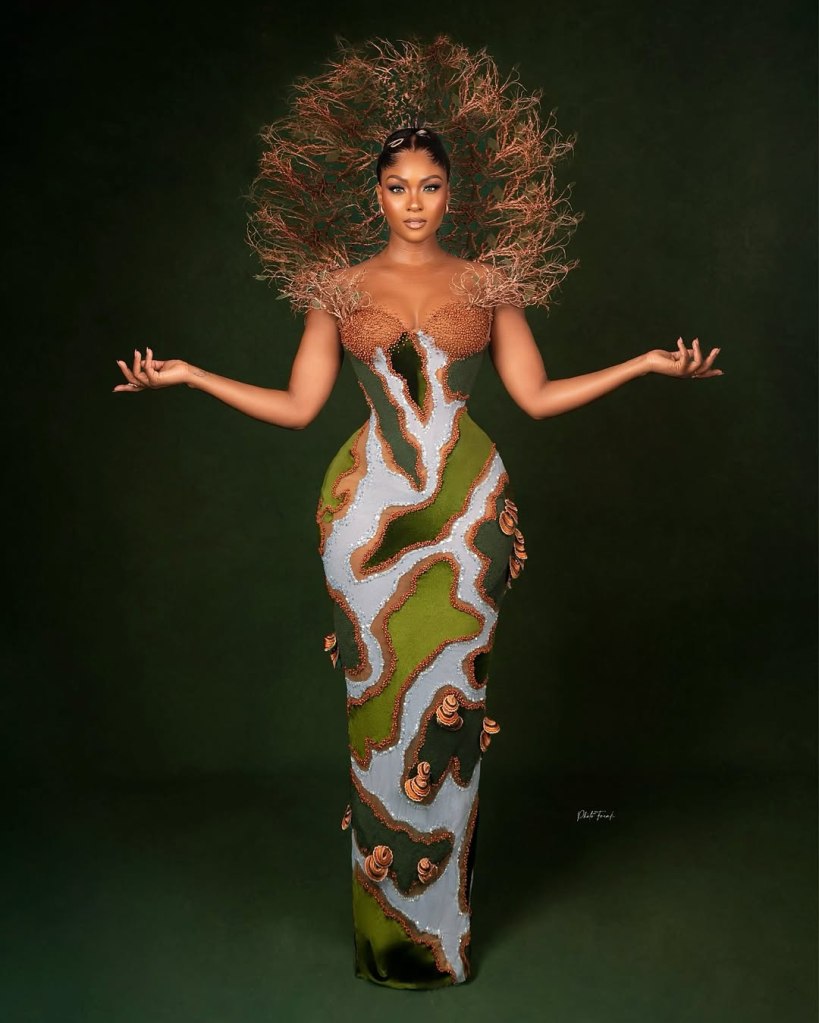
Osas Ighodaro in a VeeKee James golden gown at the AMVCA
Metalbenderstudio x NicholeStylish – Futuristic Artistry
If you want to talk about fashion as wearable art, look no further than this duo. Their work for Nana Akua Addo in 2025—an avant-garde metallic masterpiece—was described by fashion critics as “a mix of Marvel superhero armor and African goddess regalia.”
Their creations remind the world that African designers are not afraid of experimenting with 3D printing, metallics, and tech-inspired fashion.
Mai Atafo – Africa’s Sartorial Gentleman
When it comes to men’s fashion, Mai Atafo is the undisputed king. His sleek tuxedos and innovative suits transform the AMVCA men into Hollywood-level fashion icons. But what makes him stand out is his ability to fuse traditional African fabrics with classic tailoring.
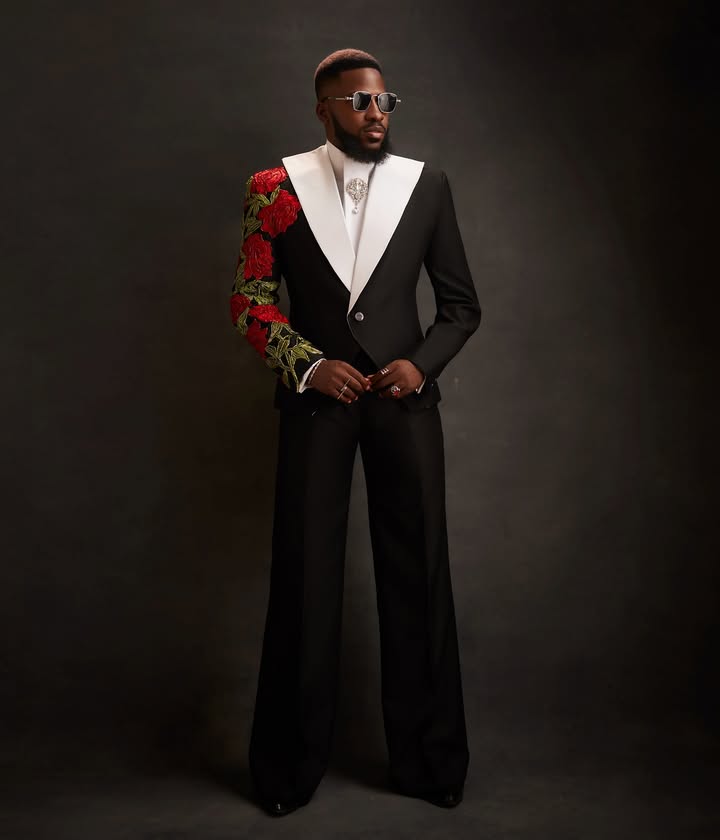
Akin Faminu in a Mai Atafo structured tuxedo)
Deola Sagoe, Pistis, and Brenda Maraka – Cultural Storytellers
Designers like Deola Sagoe (Nigeria), Pistis (Ghana), and Brenda Maraka (Uganda) add depth to the fashion scene by embracing traditional techniques. Their gowns often feature handwoven fabrics, tribal-inspired beading, and symbolic motifs, bringing authenticity to the glamour.
Fashion at the AMVCA isn’t just for show. It creates jobs, drives textile production, and fuels Africa’s growing fashion economy. Tailors, beaders, makeup artists, photographers, and stylists all benefit from this ecosystem. When a Nigerian actress walks the AMVCA red carpet in an intricately beaded gown, she is acting as a cultural ambassador. Millions of viewers around the world see not just the glamour but Africa’s cultural wealth and creativity.
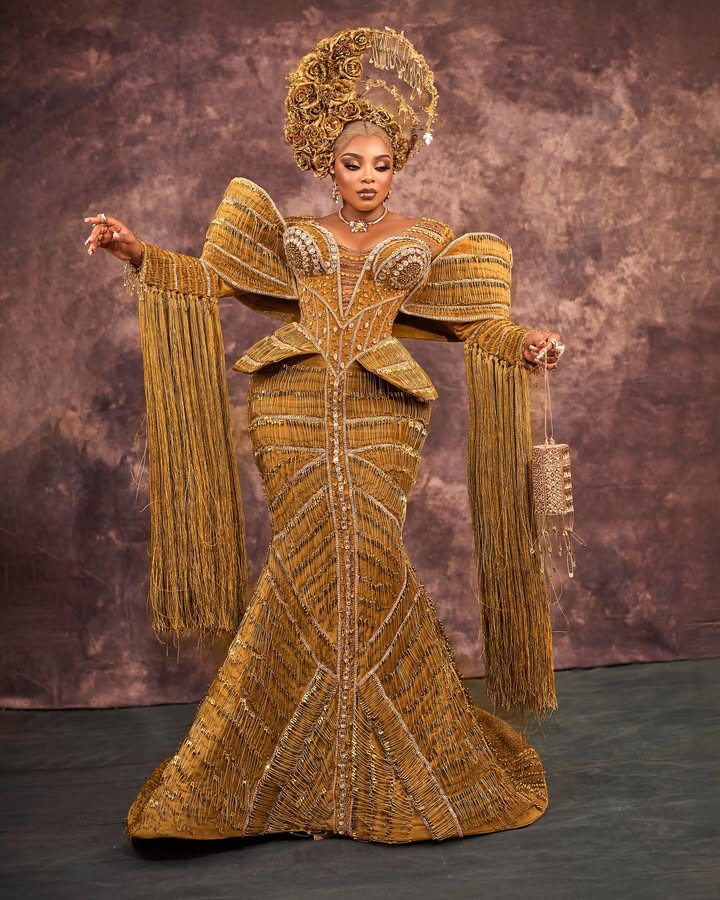
Fashion at the AMVCA isn’t just for show. It creates jobs, drives textile production, and fuels Africa’s growing fashion economy. Tailors, beaders, makeup artists, photographers, and stylists all benefit from this ecosystem. When a Nigerian actress walks the AMVCA red carpet in an intricately beaded gown, she is acting as a cultural ambassador. Millions of viewers around the world see not just the glamour but Africa’s cultural wealth and creativity.
But here’s the bigger story: What if Jamaica—the heartbeat of the Caribbean—joins this African fashion renaissance? With shared heritage, bold creativity, and its own vibrant design industry, Jamaica could become Africa’s natural fashion ally.
Let’s explore this journey.
The African fashion industry is worth billions of dollars, and the AMVCA is one of its biggest promotional platforms. By tapping into this ecosystem, Jamaican designers can access new markets, increase exports, and showcase Caribbean creativity to a massive audience.
More importantly, it would symbolize a diasporic unity—a cultural and creative bridge between Africa and the Caribbean.
The AMVCA isn’t just about who wins Best Actress or Best Director—it’s about Black excellence, cultural pride, and storytelling through fashion. It’s about saying to the world, “This is who we are, and this is our narrative.”
Jamaica has an exciting opportunity to join this journey. By collaborating, sharing, and innovating, we can create a new wave of Afro-Caribbean fashion fusion—one that celebrates our shared heritage and pushes the boundaries of style.
So, the next time you watch the AMVCA red carpet, imagine a Jamaican-designed gown turning heads, Jamaican beadwork shimmering under the Lagos lights, and Jamaican creativity being celebrated on Africa’s biggest stage.
Because fashion is more than fabric—it’s a bridge, a story, and a statement. And it’s time Jamaica takes its rightful place on that runway.
 Urban Vine Media
Leave a comment