


In the glossy corridors of Condé Nast and on the runways of the world, one name has stood like an immovable icon for nearly four decades: Anna Wintour. On June 26, 2025, after 37 years as Editor-in-Chief of Vogue USA, Wintour officially stepped down from her legendary role—signaling the end of an era and the start of a deep reckoning for the fashion media landscape.
Wintour didn’t just run Vogue—she ruled a cultural kingdom. Her tenure at the helm of fashion’s most prestigious publication helped shape aesthetics, redefine beauty standards, launch careers, and solidify fashion as a force of commerce, commentary, and culture. Her departure is not merely an executive shift. It is the symbolic closing of one of the longest-running and most powerful editorial legacies in the modern era.
But this farewell is layered, complicated, and urgent in its implications. Because Wintour leaves behind not just a vacant chair—but a question: What comes next?
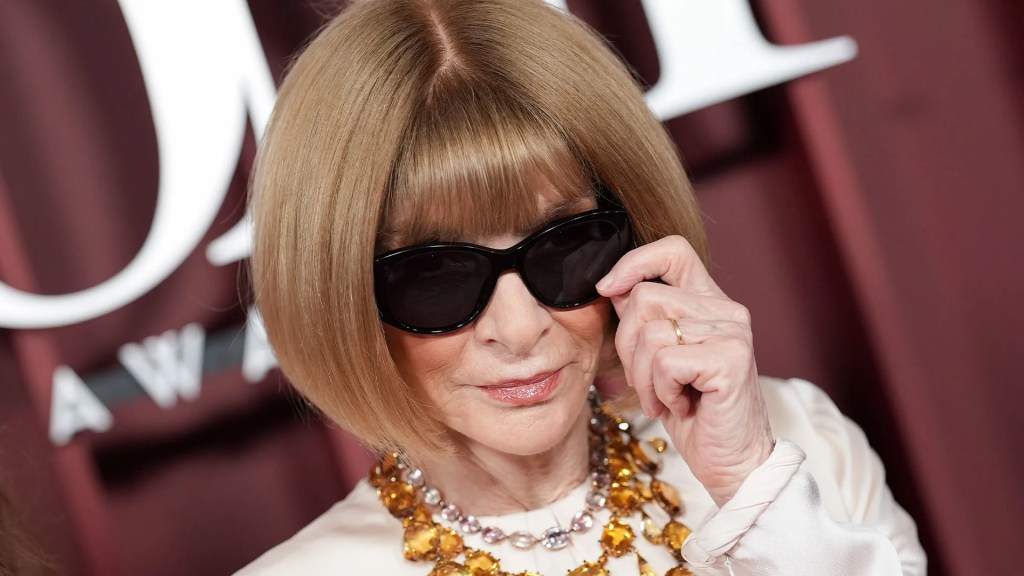
When Anna Wintour took over Vogue in 1988, the world was a different place. Supermodels dominated magazine covers, the internet was a concept of the future, and the line between fashion and celebrity was only beginning to blur. With a precision that could border on severity, Wintour changed all of that.
She brought celebrities onto covers in place of models—controversial at the time, but now standard. She streamlined Vogue’s look to reflect power, polish, and narrative. She had a knack for recognizing emerging talent—whether it was designers like John Galliano and Alexander McQueen or photographers like Mario Testino and Annie Leibovitz—and spotlighting them in ways that elevated not only their careers, but the magazine’s own relevance.
Her influence grew far beyond editorial choices. As chair of the Met Gala since 1995, Wintour transformed a fundraiser into fashion’s equivalent of the Oscars. Under her leadership, the Costume Institute became a global cultural touchpoint, using fashion as a lens to interrogate history, gender, identity, and celebrity.
But Anna Wintour’s power was never just about influence. It was also about vision—a singular editorial eye that knew exactly what she wanted and how it should look. And that vision came with its own critiques.
For every accolade Wintour received, there was an equal measure of scrutiny. Known as “Nuclear Wintour” for her steely demeanor, her reign at Vogue inspired both admiration and fear. Her alleged distance from staff and reputation for cold decisiveness helped fuel the mythology around her—memorialized in The Devil Wears Prada and reflected in anecdotes from behind Condé Nast’s closed doors.
But more substantively, critics argued that under Wintour, Vogue—and by extension, fashion itself—often failed to reflect the world it supposedly adorned. For years, the magazine lagged behind in diversifying its covers, contributing to the perpetuation of Eurocentric beauty ideals. The industry’s embrace of inclusivity in the 2020s prompted overdue reflection, and Wintour herself acknowledged these shortcomings in a 2020 company-wide memo following the Black Lives Matter protests.
In that moment, Wintour did something rare: she admitted fault. It marked a subtle shift in her public persona—from unflinching gatekeeper to reflective industry elder. She began to support a new generation of talent more visibly, elevating voices like Edward Enninful at British Vogue, Chioma Nnadi, and other diverse figures across Condé Nast.
But for many, the change felt too late, too measured, and too cautious for a moment that demanded bold reinvention.
The world Anna Wintour exits in 2025 is unrecognizable from the one she entered in 1988. Print circulation has plummeted. TikTok stars now sit in the front row. AI-generated campaigns and digital fashion dominate conversations that once centered on fabric and form. The landscape is loud, fast, and fluid—and the editorial crown no longer sits on a single head.
Wintour’s departure comes as Vogue—and fashion media more broadly—grapples with existential questions:
- Can a legacy brand stay relevant without its legacy leader?
- How do institutions rebuild trust and relevance with younger, more progressive audiences?
- What does it mean to edit fashion in a world where everyone is both creator and critic?
The answers lie not in recreating Wintour’s singular vision, but in dismantling the very idea of singularity. The fashion world is moving toward multiplicity—multiple voices, global perspectives, decentralized power. Leadership in 2025 demands not just aesthetic foresight, but emotional intelligence, cultural fluency, and a commitment to systemic change.
Although she’s stepping down as Editor-in-Chief, Anna Wintour is not fading into the fashion shadows. She remains Chief Content Officer at Condé Nast, overseeing global strategy across brands and holding continued sway over marquee events like the Met Gala.
This move is telling. It shows that Wintour is evolving—handing over the reins while still maintaining influence, mentoring new leaders while shaping narratives from a higher altitude. She is not retreating; she is repositioning.
This transition mirrors broader changes across creative industries, where veteran leaders are making space for innovation while anchoring institutions through turbulent times. Think of it less as a retirement, and more as a strategic shift—Wintour the queenmaker, not just the queen.
Trying to summarize Anna Wintour’s impact is like trying to stitch a tapestry with one thread. Her legacy is layered, contradictory, and colossal:
- She championed American designers when European fashion houses dominated.
- She helped globalize fashion coverage while maintaining Vogue’s elite prestige.
- She embraced technology—albeit cautiously—integrating video, social media, and e-commerce into Condé’s platforms.
- She led philanthropic efforts for HIV/AIDS awareness, sustainability in fashion, and political activism.
And yet, her Vogue was sometimes silent when it mattered most—slow to address labor issues in fashion supply chains, muted in moments of social upheaval, and too often complicit in glorifying consumer excess.
Still, her accomplishments remain monumental. She redefined what it means to lead in fashion. Not with flamboyance or fads—but with precision, control, and enduring influence.
Replacing Anna Wintour is not a matter of finding “the next Anna Wintour.” It is a matter of imagining a different kind of leadership altogether.
Names like Chioma Nnadi, recently named Head of Editorial Content for British Vogue, or Lindsay Peoples, editor of The Cut, come to mind. Both represent a new generation—intersectional, media-savvy, and unafraid to merge fashion with politics and personal identity.
Whether Condé Nast will appoint an internal protégé, a digital disruptor, or a total outsider is uncertain. What is certain is that the Vogue brand must pivot toward inclusivity, accessibility, and innovation to remain culturally relevant.
The next Editor-in-Chief won’t just inherit a brand. They’ll inherit a legacy—and the pressure to transform it.
Fashion, in essence, is about transformation. Fabrics are cut, sewn, and reshaped. So too are industries and institutions. Anna Wintour’s departure is a moment of unraveling—but also of reweaving.
Her critics and champions agree on one thing: Wintour shaped fashion’s global narrative. Her presence offered continuity in a turbulent industry. Her departure forces the industry to look ahead—not with nostalgia, but with creativity and courage.
What stories will the next Vogue tell? Whose voices will it amplify? What values will it reflect?
To imagine fashion without Anna Wintour is to imagine a world without mirrors—where reflections have been shaped by someone else’s gaze for so long, we hardly recognized it.
But in stepping aside, Wintour offers fashion the greatest gift of all: freedom. Freedom to evolve, to experiment, to democratize. To become not less stylish—but more soulful.
Anna Wintour will always be synonymous with fashion. Not because she followed trends—but because she helped define them. Not because she made it look easy—but because she made it matter.
And now, the most stylish legacy of all might be letting go.
by Dwayne Hinds; Fashion Writer
 Urban Vine Media
Leave a comment